Easy-to-Miss Design Tips That Help With Selling a House
Discover easy to miss design tips that can help sell a house faster by improving comfort, visual appeal, and the overall buyer experience.

Selling a house is not only about price, location, and square footage. Buyers also respond to the feeling of the home, and that feeling is shaped by dozens of design details they may not consciously analyze. A room can be clean but still feel cold. A layout can be practical but still look awkward. A house can have good features that disappear because the lighting, furniture, colour, or styling is working against them.
The goal is not to turn the home into something false. It is to help buyers understand the space quickly, comfortably, and positively. These easy-to-miss design tips can make a home feel more polished, more spacious, and easier to imagine as someone else’s next place to live.
Use Paint To Quiet The Room, Not Steal Attention
Paint should make a buyer notice the room, not the wall colour. When a room is too bold, too dark, or too specific to the current owner’s taste, buyers often start mentally subtracting value: repaint this bedroom, fix that trim, tone down the hallway. Even if the work is minor, it becomes another task standing between them and the idea of moving in.
That is why choosing the right paint matters before selling. Buyers usually respond better to colours that make the space feel clean, open, and easy to personalize. Soft neutrals, muted earthy shades, and calm off-whites can help the room feel move-in ready without stripping it of warmth. The point is not to erase character, but to avoid making wall colour the first thing buyers feel they would need to change.
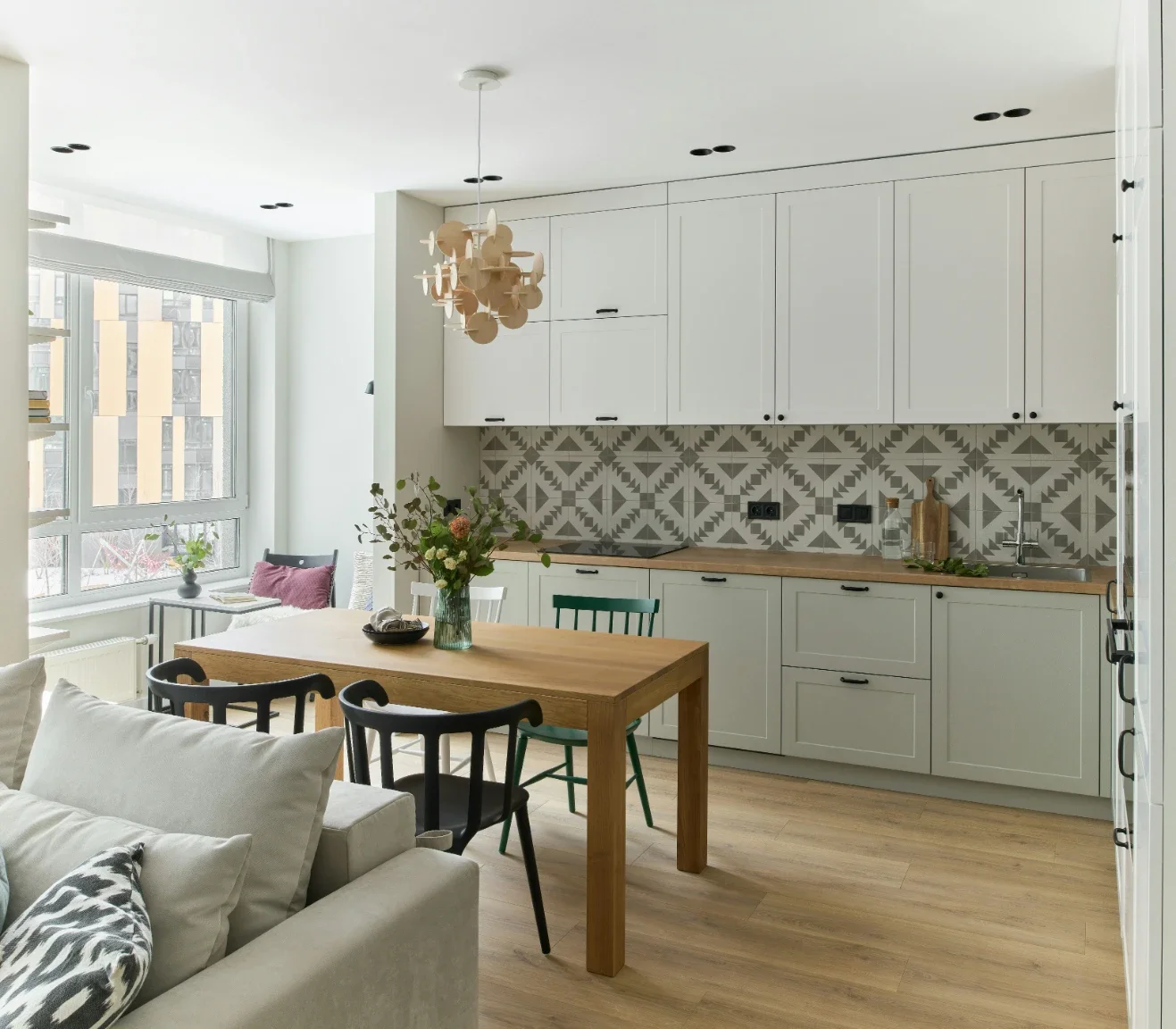
Warm whites, soft taupes, muted greens, pale greys, creamy neutrals, and gentle beige tones can make interiors feel cleaner, brighter, and more flexible. The best choice depends on the flooring, cabinets, trim, and natural light, so samples should always be tested in the actual room before committing. A good paint colour quietly improves the space and lets buyers focus on layout, light, and comfort.
Make The Entry Feel Like A Proper Arrival
The entryway sets the emotional tone for the entire viewing. If buyers step into a dark, cluttered, or awkward entrance, they begin the tour with hesitation. Even a small entry can feel more welcoming with a few careful design choices.
Start by removing anything that suggests a daily mess: extra shoes, bags, coats, pet items, mail, and cleaning products. Then add one clear focal point, such as a slim console, mirror, small lamp, or simple piece of art. A mirror can help bounce light and make a narrow entry feel less closed in, while a washable runner can soften the space without looking fussy.
The entry should also make the home feel easy to move through. Buyers should not have to squeeze past furniture or wonder where to go next. Good design quietly guides them forward. A clear sightline into the living room, kitchen, or brightest part of the home can make the whole property feel more open from the first step.
Let Furniture Prove The Scale Of Each Room
Empty rooms can confuse buyers because they struggle to judge size without reference points. Overfilled rooms create the opposite problem, making spaces feel smaller than they really are. The right furniture arrangement helps buyers understand scale, movement, and purpose.
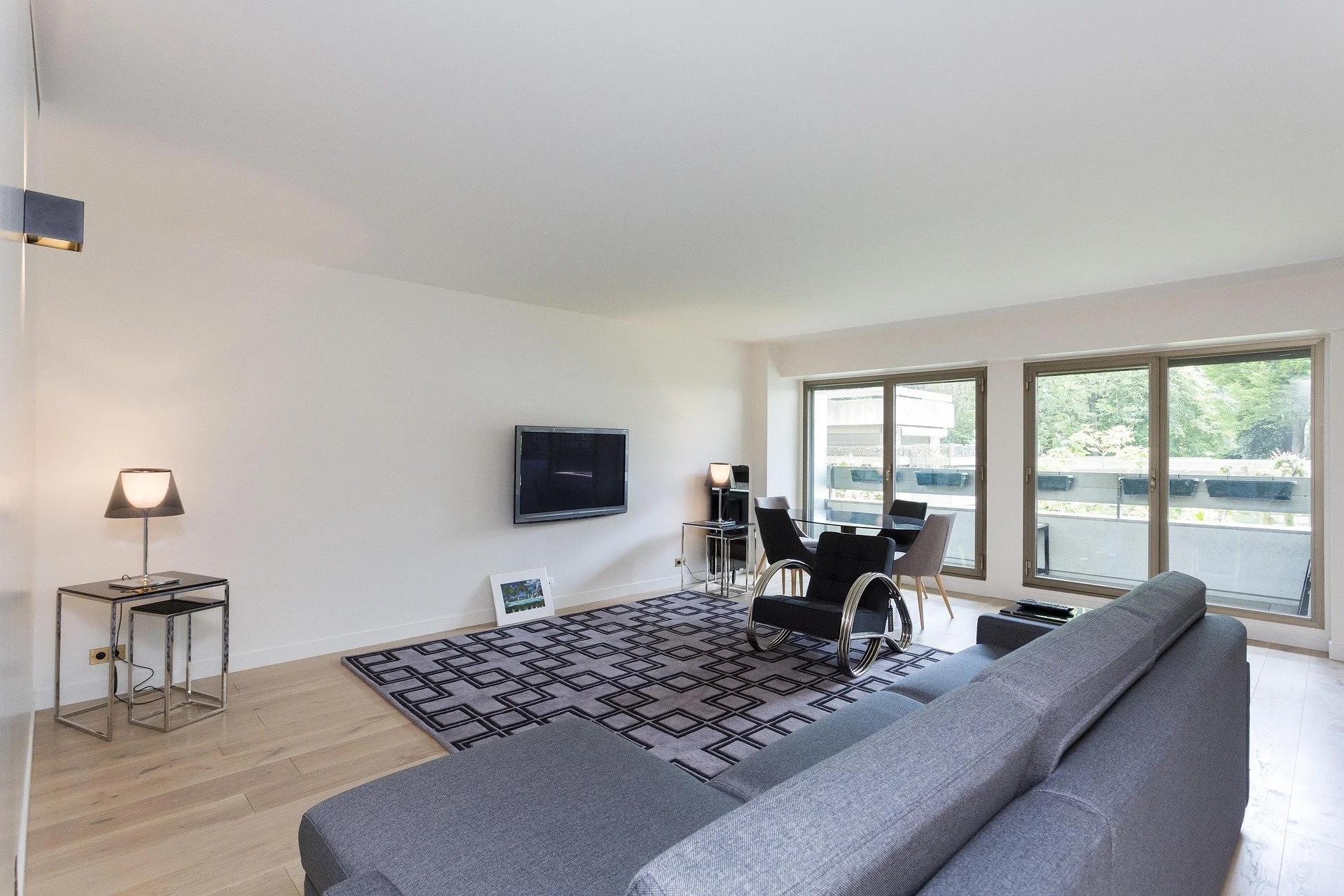
In living rooms, avoid pushing every piece against the wall if that makes the room feel stiff. A sofa, two chairs, and a properly sized rug can create a more natural conversation area. In bedrooms, leave enough space around the bed so the room feels usable, not squeezed. In dining areas, use a table that suits the room rather than one that dominates it.
The easiest rule is this: furniture should answer questions, not create them. Can a queen bed fit here? Can the living room hold guests comfortably? Is there room to walk from the kitchen to the patio? When the layout makes these answers obvious, buyers feel more confident.
Style Storage So It Looks Useful, Not Full
Storage is one of the most underestimated parts of selling a home. Buyers open closets, cupboards, pantries, laundry storage, bathroom cabinets, and garage shelves because they want to know whether the house can support real life. If every shelf is packed, the message is simple: this home may not have enough space.
Before viewings, reduce stored items wherever possible. Wardrobes should have breathing room between clothes. Pantry shelves should look organized rather than overloaded. Bathroom cabinets should hold only clean, simple essentials. Linen closets should be folded neatly, not stuffed to the edges.
This does not mean making storage look artificially empty. Buyers know people live in homes. The aim is to make storage feel functional and generous. Matching baskets, clear containers, and simple shelf spacing can help, but editing matters more than buying organizers.
A tidy closet can make a small bedroom feel more practical. A clean pantry can make a kitchen feel better planned. Storage design is quiet, but buyers notice it.
Use Lighting To Remove Doubt From Dark Corners
Poor lighting can make a home feel smaller, older, and less maintained. Buyers may not blame the lighting directly; they may simply say the home feels gloomy. That is why lighting should be checked room by room before listing.
Open curtains fully, clean windows, and remove anything blocking natural light. Trim outdoor plants if they are covering windows. Replace dim or mismatched bulbs. Use warm, consistent lighting so rooms feel connected rather than patchy.
Layered lighting makes the biggest difference. A living room should not rely only on one ceiling fixture. Table lamps, floor lamps, and wall lights can soften the space and create atmosphere. In kitchens, under-cabinet lighting or brighter task lighting can make counters feel cleaner and more usable. In hallways, good lighting helps remove the tunnel effect that can make a home feel cramped.
Buyers trust what they can see clearly. Good lighting makes the home feel more open and easier to understand.
Wrapping Up
Selling a house well often comes down to removing small doubts before they grow into objections. Calm paint, thoughtful lighting, clear storage, balanced furniture, and a welcoming entry help buyers understand the home quickly. These details do not pretend the property is something else; they simply make its best qualities easier to see. When each room feels cared for and usable, buyers can picture moving in with less hesitation and more confidence right away.
Stay up to date with our latest ideas!