How Interior Design Can Help Buyers See A Home’s Full Potential
Discover how interior design helps buyers see a home’s full potential through thoughtful layouts, styling choices, and inviting living spaces.
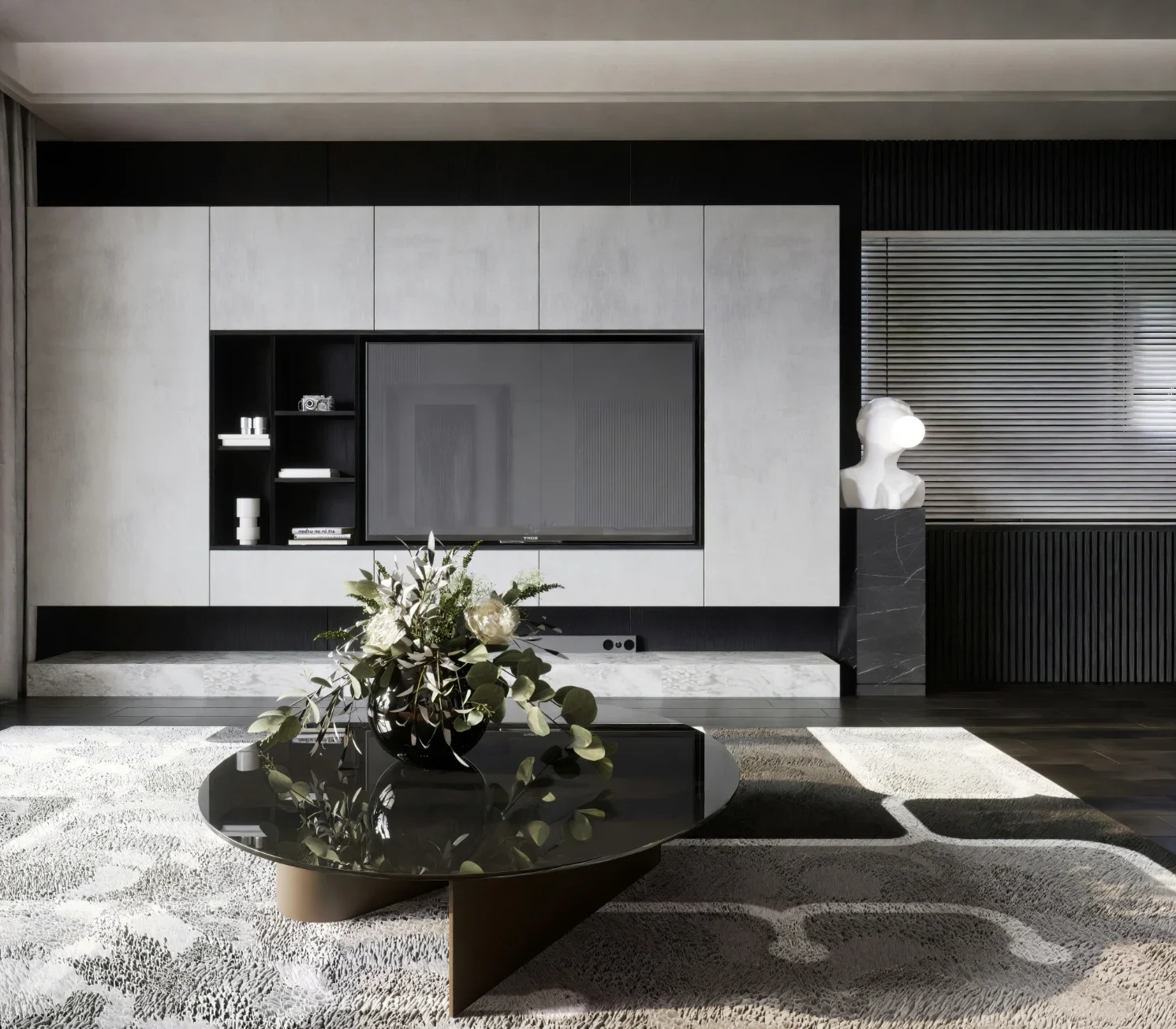
A home is rarely judged by square footage alone. Buyers respond to how a space feels, how easily they can imagine living there, and whether each room appears useful, comfortable, and cared for.
Interior design plays a powerful role in that first impression because it translates empty rooms, awkward corners, outdated finishes, and unusual layouts into something easier to understand. It does not need to hide the truth of a property. Done well, design reveals the best version of what is already there.
Help Buyers Understand The Lifestyle Behind The Space
Before buyers think about paint colors or furniture, they are usually asking a quieter question: Can I see myself here? Interior design helps answer that question by turning rooms into a lifestyle story rather than a list of features. A living room becomes a place for relaxed evenings. A breakfast nook becomes a calm morning spot. A spare bedroom becomes a guest room, office, or nursery instead of an undefined storage area.
That is why design matters so much in real estate marketing. A useful example can be seen in how a modern property brand presents its services around finding a dream home, connecting people with real estate professionals, growing a team, and even owning a real estate franchise. The message is not only about property transactions. It is about helping people imagine movement, opportunity, and belonging. Interior design does something similar inside the home itself. It gives buyers a clearer emotional and practical reason to keep looking.
The key is to avoid over-styling. A room should feel aspirational but still believable. Buyers do not need to see a fantasy version of the property. They need to see a polished, livable version that helps them understand what daily life could look like there.
Make Awkward Rooms Feel Intentional
Every home has areas that are harder to explain. A narrow entryway, an underused landing, a small dining area, or a bedroom with an unusual shape can easily make buyers pause. Without design direction, these spaces may look like flaws. With thoughtful styling, they can become part of the home’s charm.
An awkward corner can become a reading nook with a slim chair, small table, and warm lamp. A wide hallway can hold a console, mirror, and soft runner to create a more elegant transition between rooms. A small spare room can be staged as a work-from-home space instead of being left empty. These choices help buyers understand function at a glance.
This is especially important because most buyers are not interior designers. They may struggle to visualize how furniture fits, how traffic flows, or how a room could serve more than one purpose. When the design solves that mental work for them, the home feels easier to buy into.
The goal is not to force every inch to work too hard. Instead, design should remove uncertainty. If a buyer sees an odd space and immediately understands how it could be used, that space stops being a concern and starts becoming a benefit.
Use Light, Color, And Texture To Create Warmth
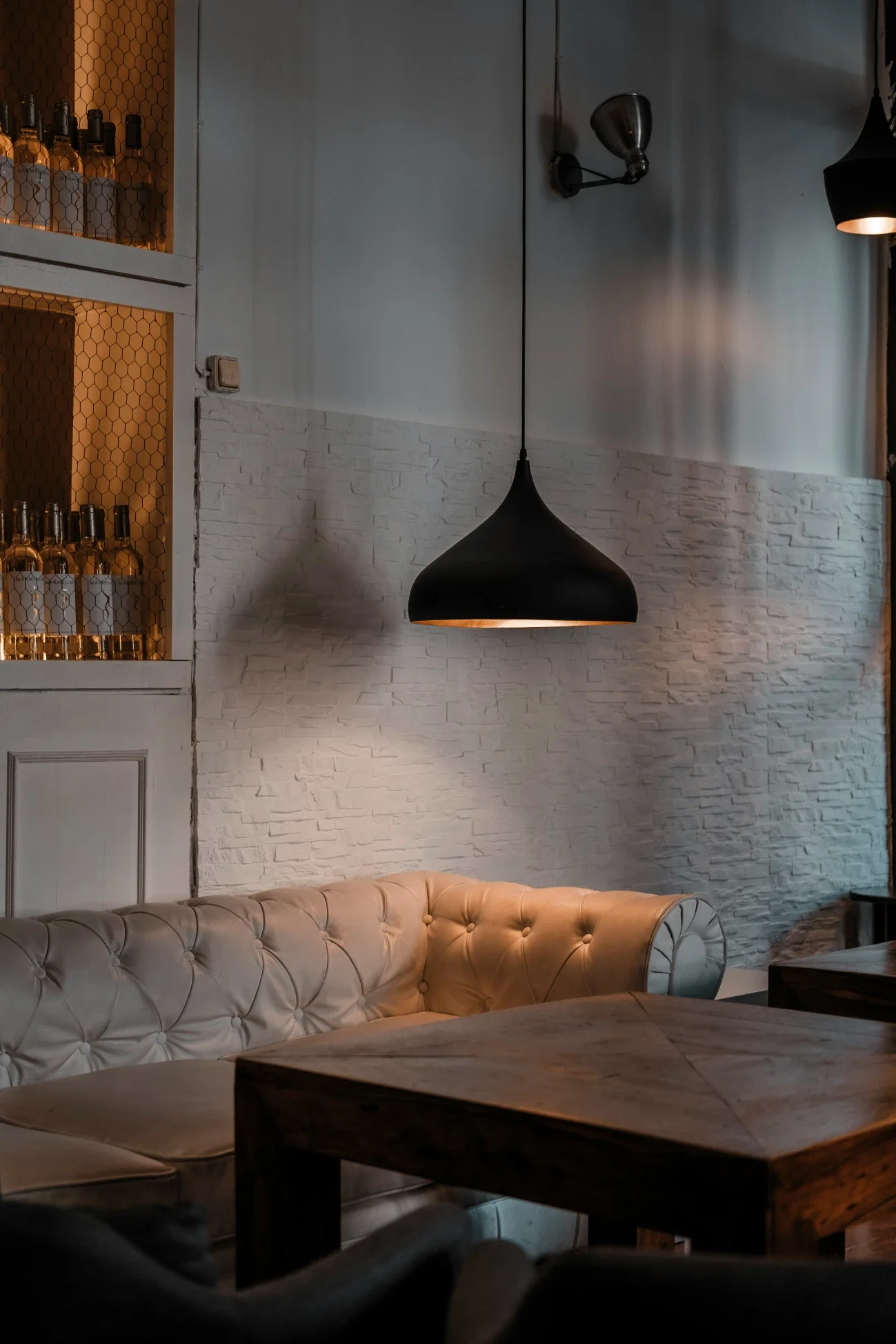
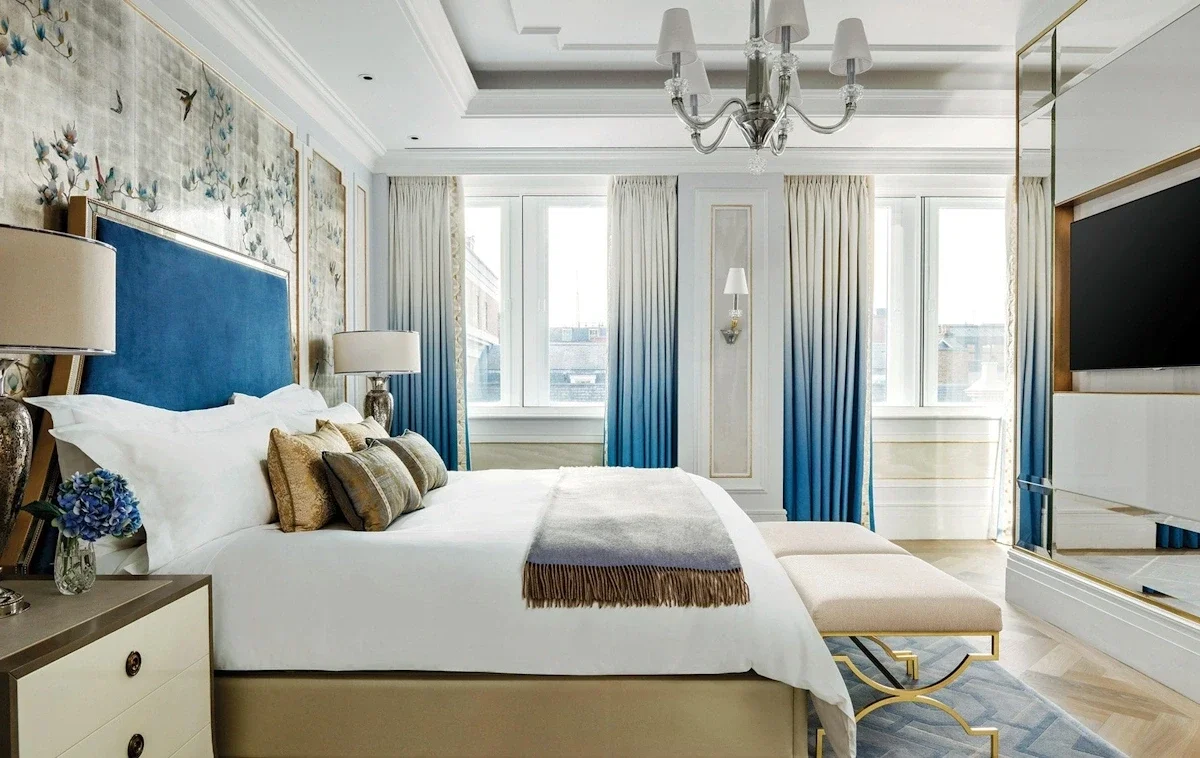
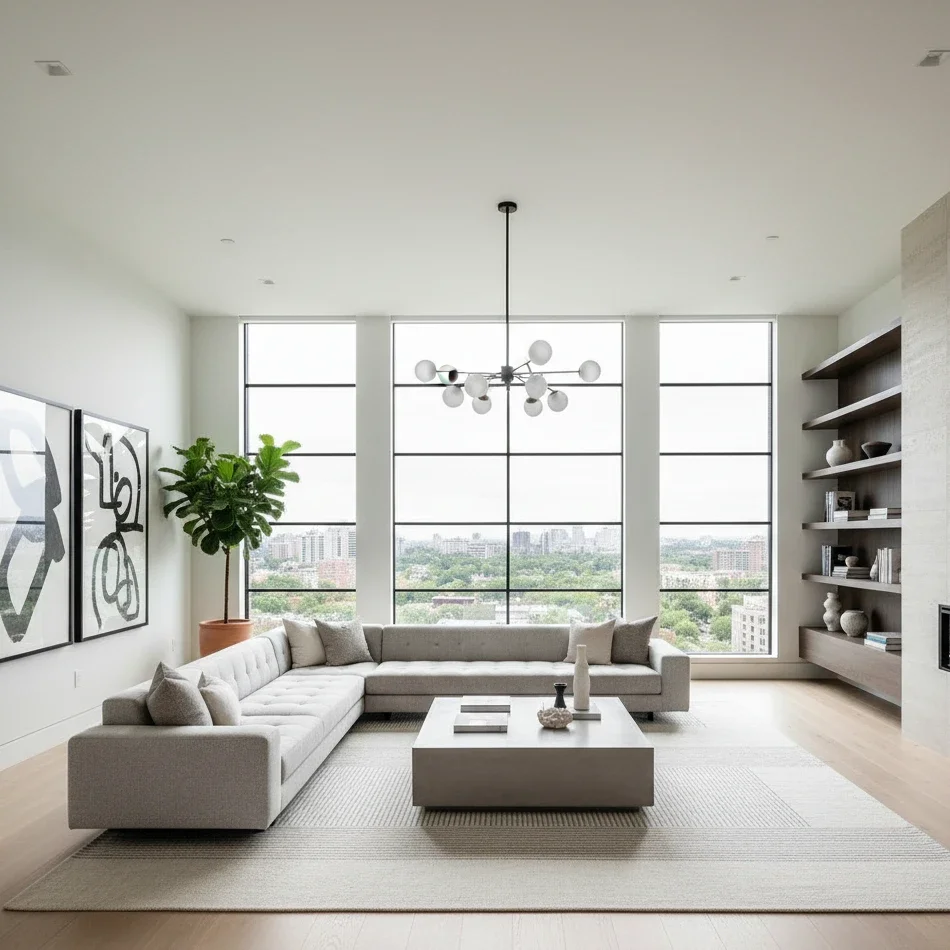
Light is one of the fastest ways to change how buyers experience a home. A dark room can feel smaller, colder, and less inviting, even when the layout is strong. Good interior design uses natural light first, then supports it with layered lighting. Open curtains, clean windows, lamps, sconces, and warm bulbs can all help a room feel more welcoming.
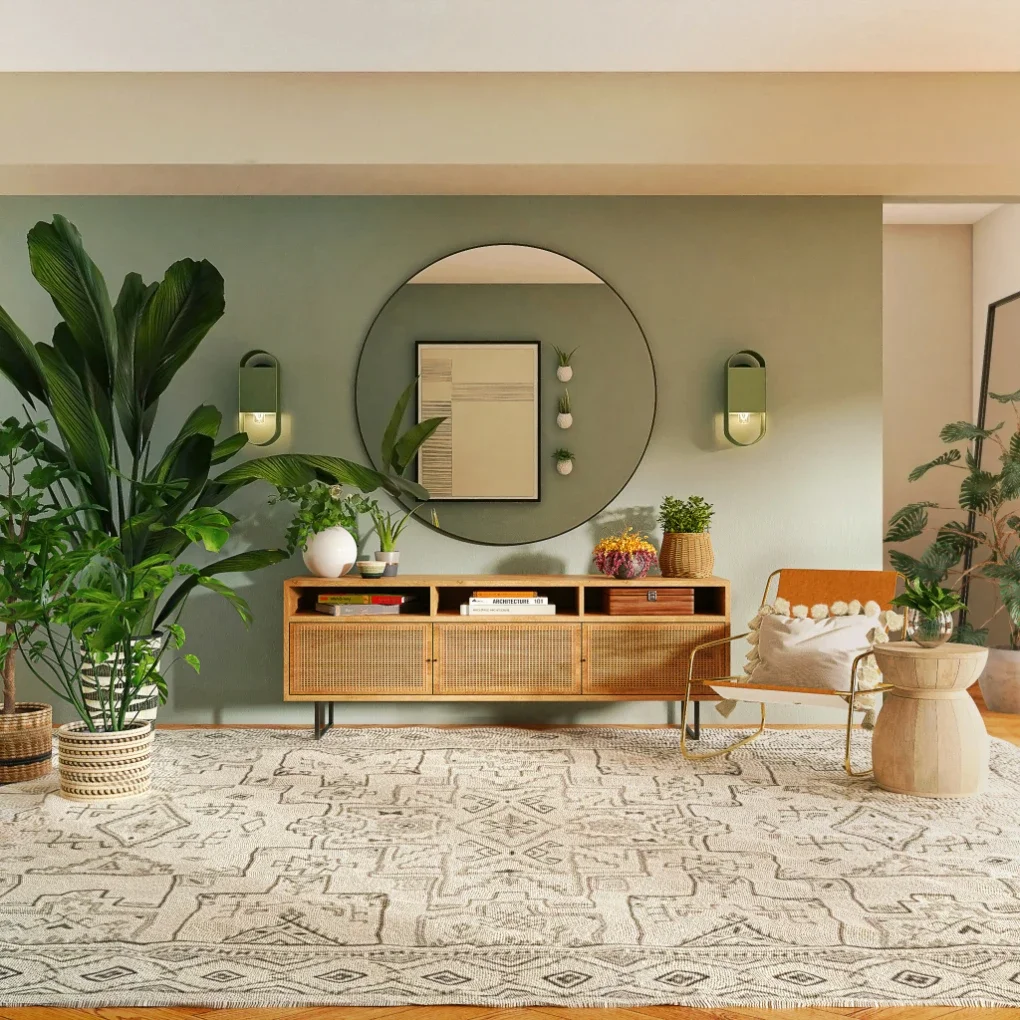
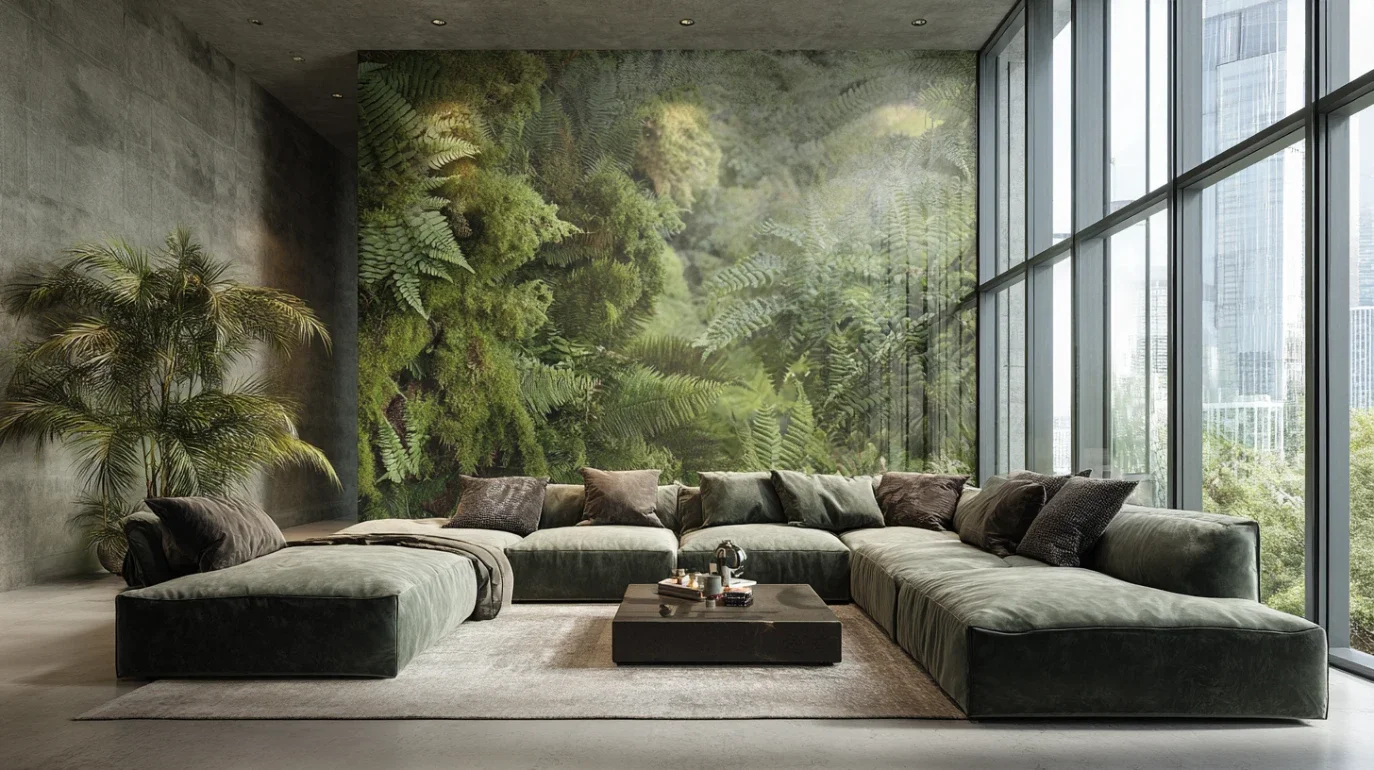
Color also matters. Neutral does not have to mean flat or lifeless. Soft whites, warm beige, muted greens, pale taupe, and gentle gray tones can create a clean backdrop without stripping the home of personality. The best palettes allow buyers to imagine their own furniture and art while still making the property feel finished.
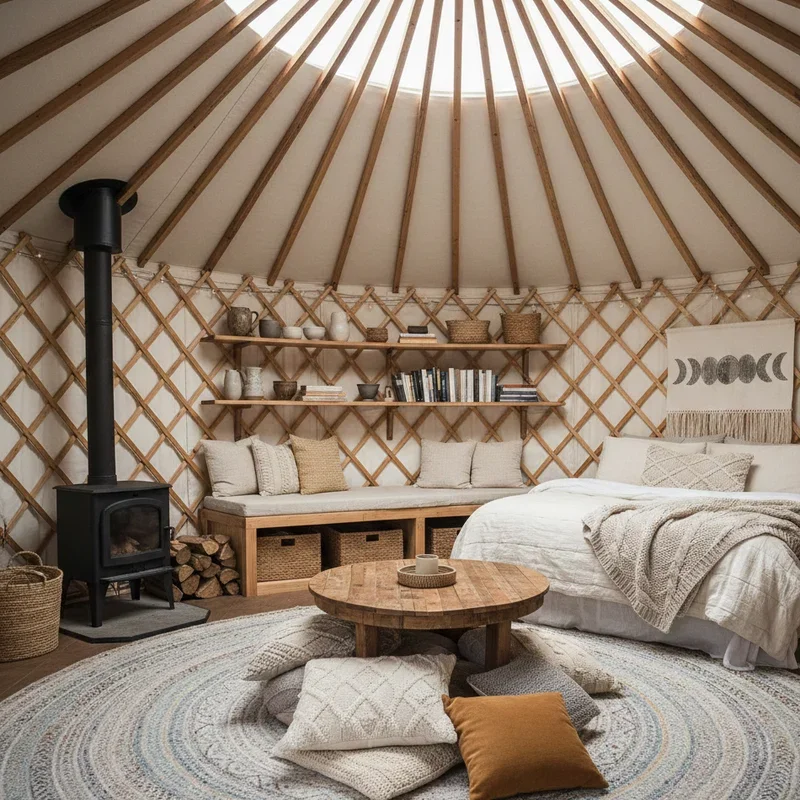
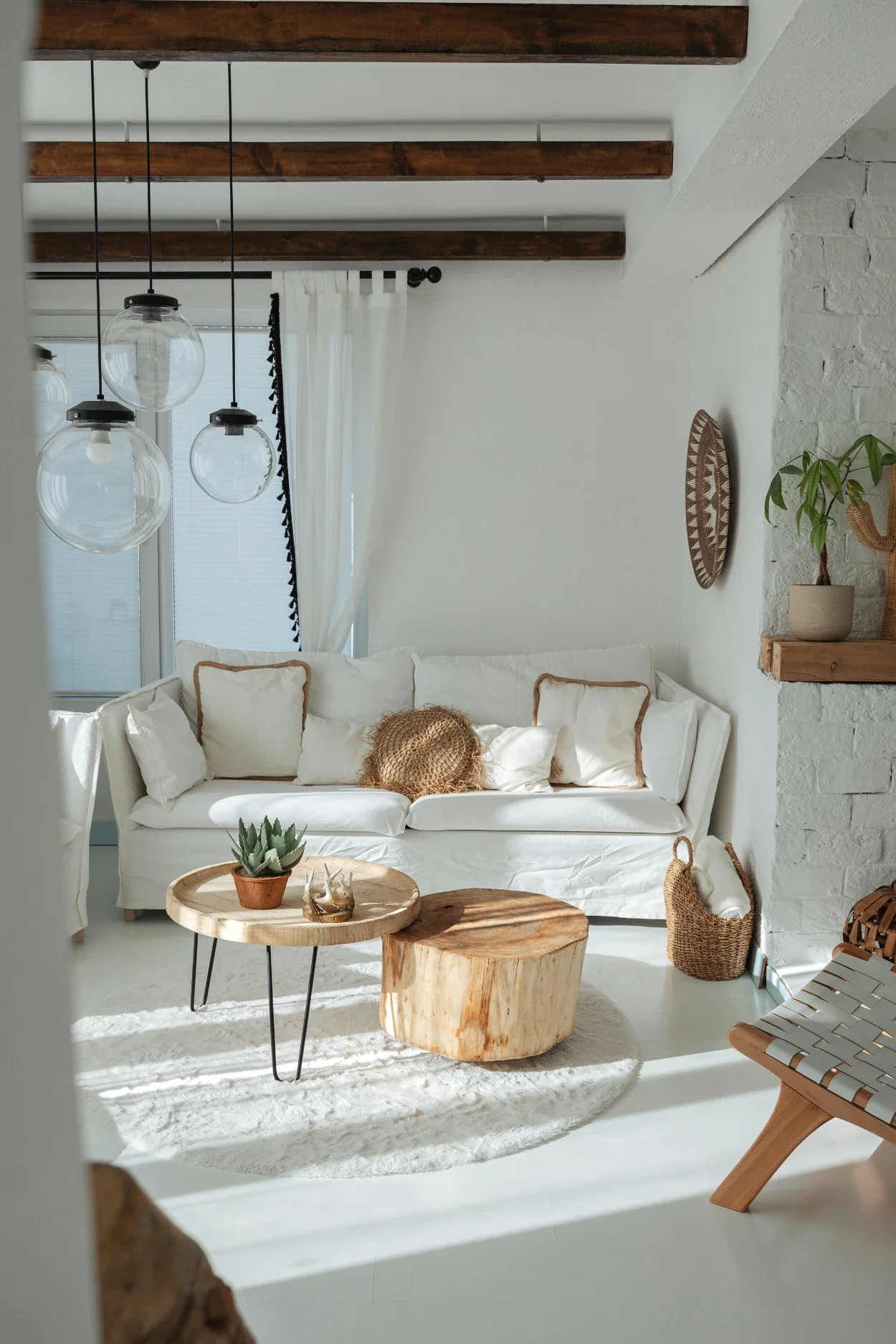
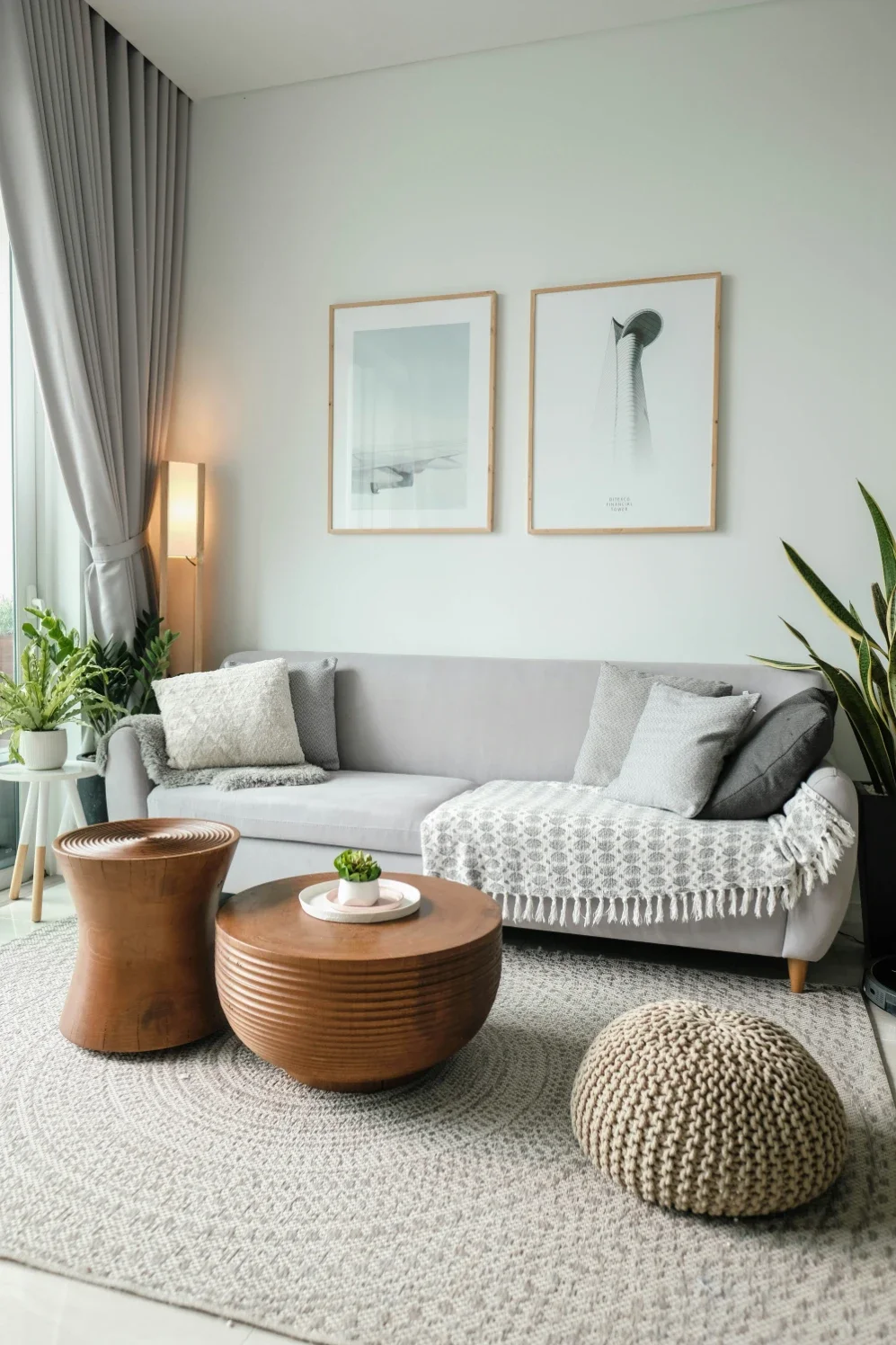
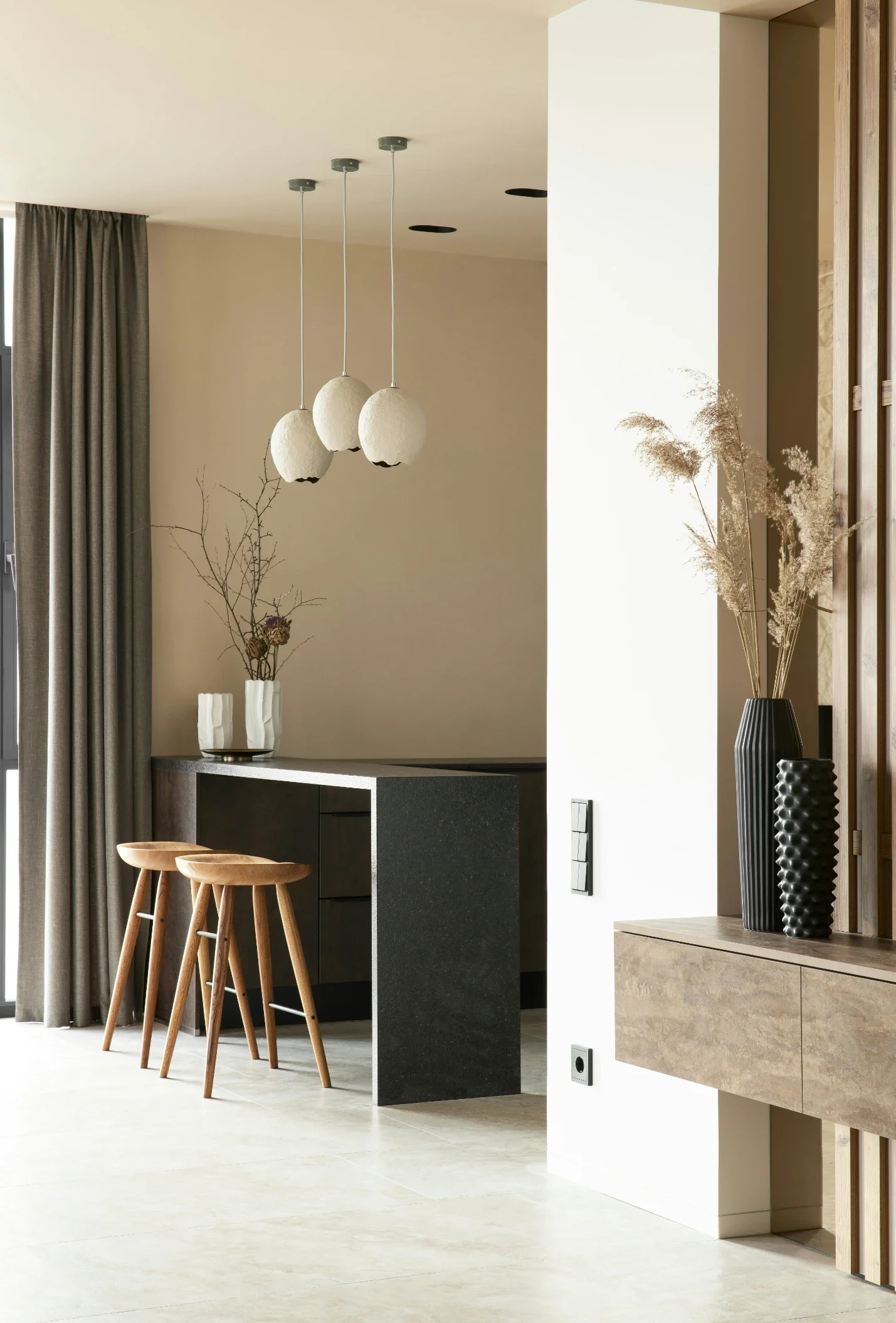
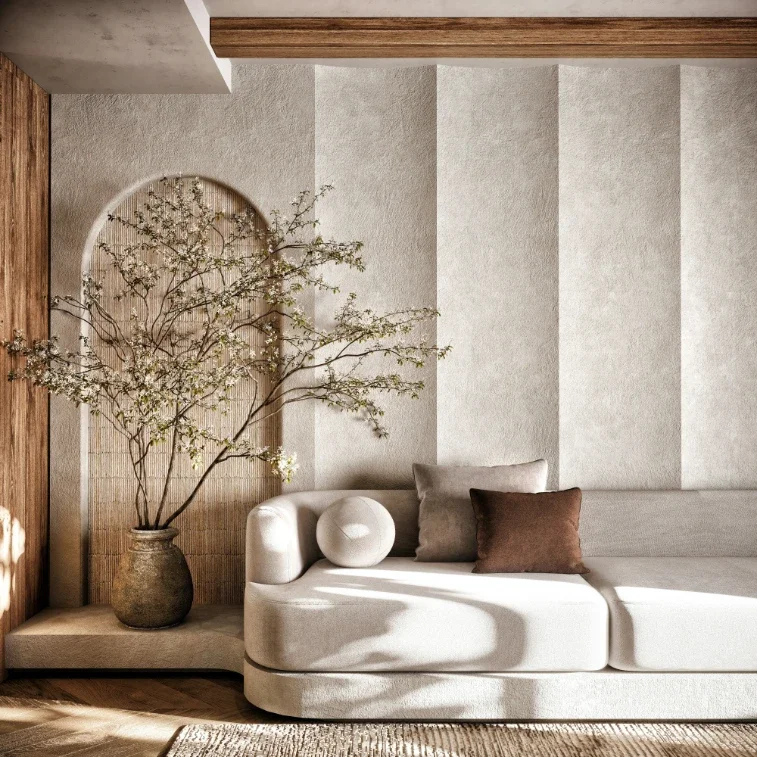
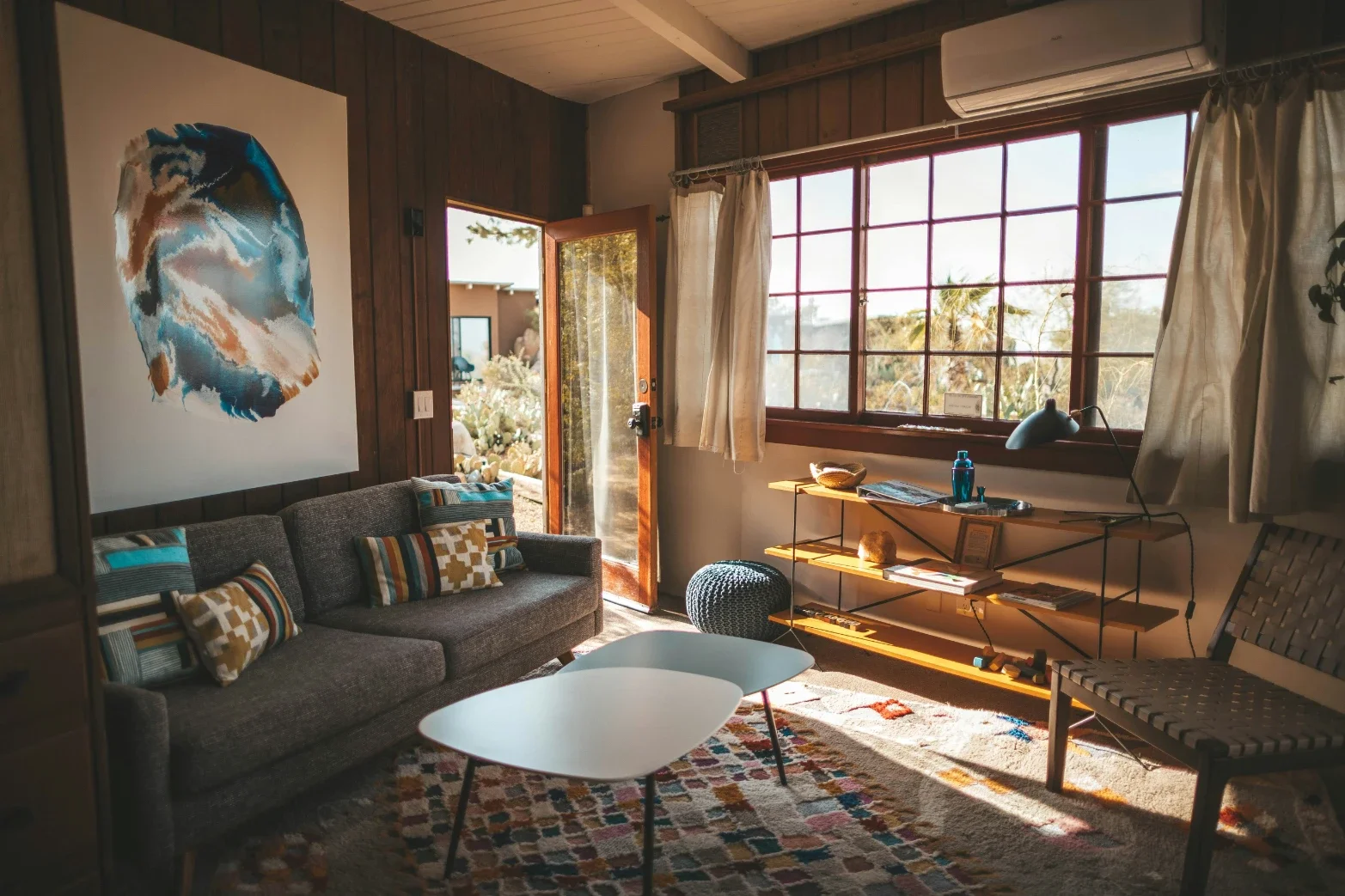
Texture is what keeps a neutral room from feeling bland. Linen curtains, woven baskets, wood accents, ceramic pieces, rugs, cushions, and natural fibers add depth without overwhelming the eye. These details make a room feel comfortable and layered, which is often what buyers remember after a viewing.
The most effective design choices are subtle. A home should not look like a showroom where no one could relax. It should feel calm, bright, and cared for, with enough detail to suggest quality and enough restraint to leave space for the buyer’s imagination.
Show Scale With The Right Furniture Choices
Empty rooms can be surprisingly confusing. Without furniture, buyers may underestimate room size or assume their belongings will not fit. On the other hand, oversized furniture can make a perfectly good room feel cramped. Interior design helps establish scale so buyers can judge the space more accurately.
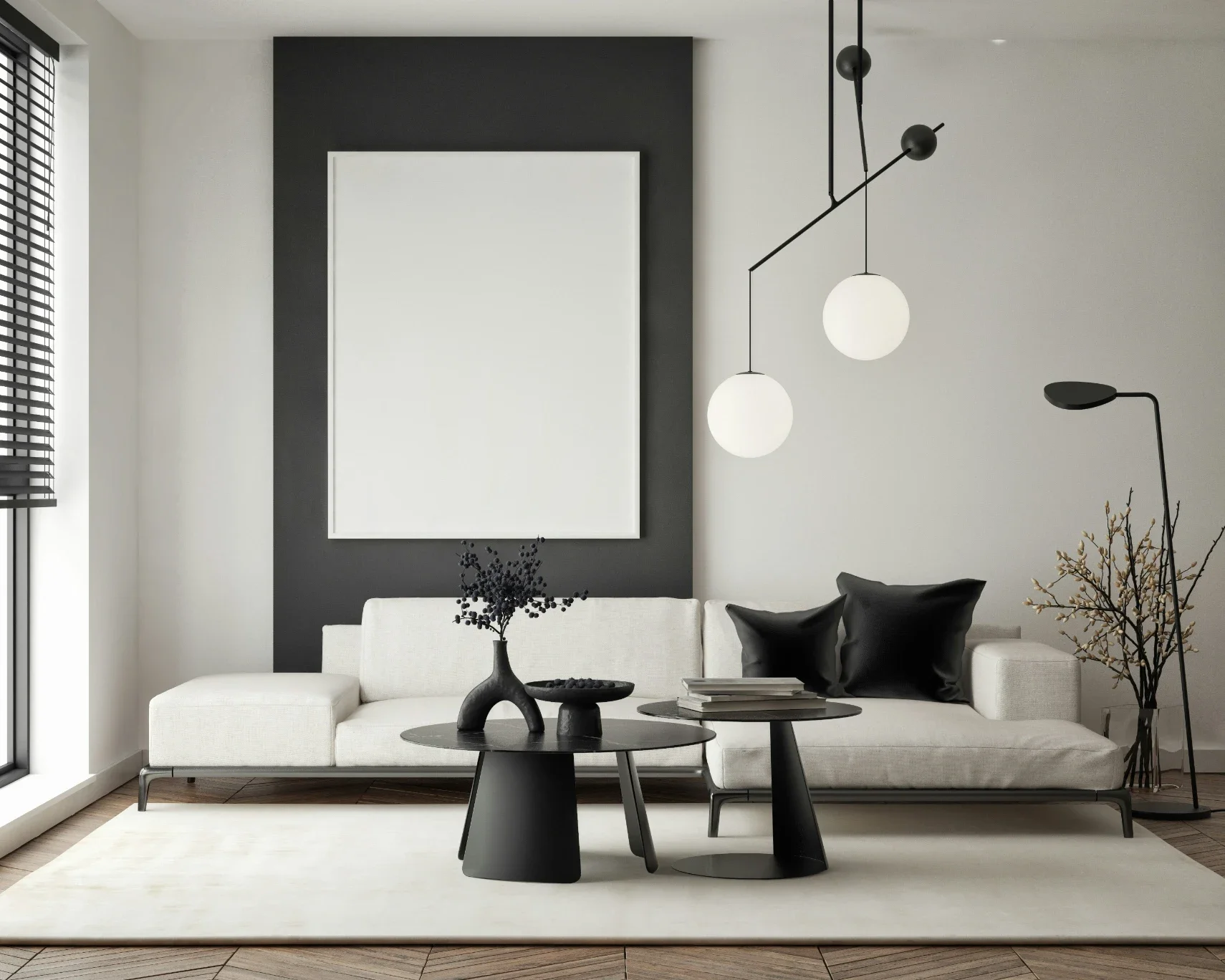
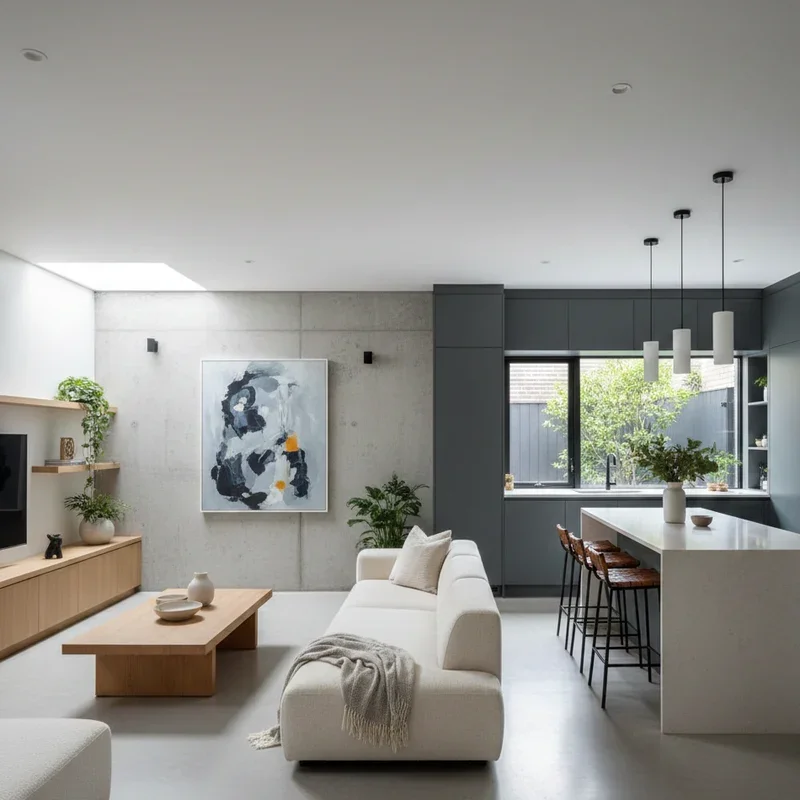
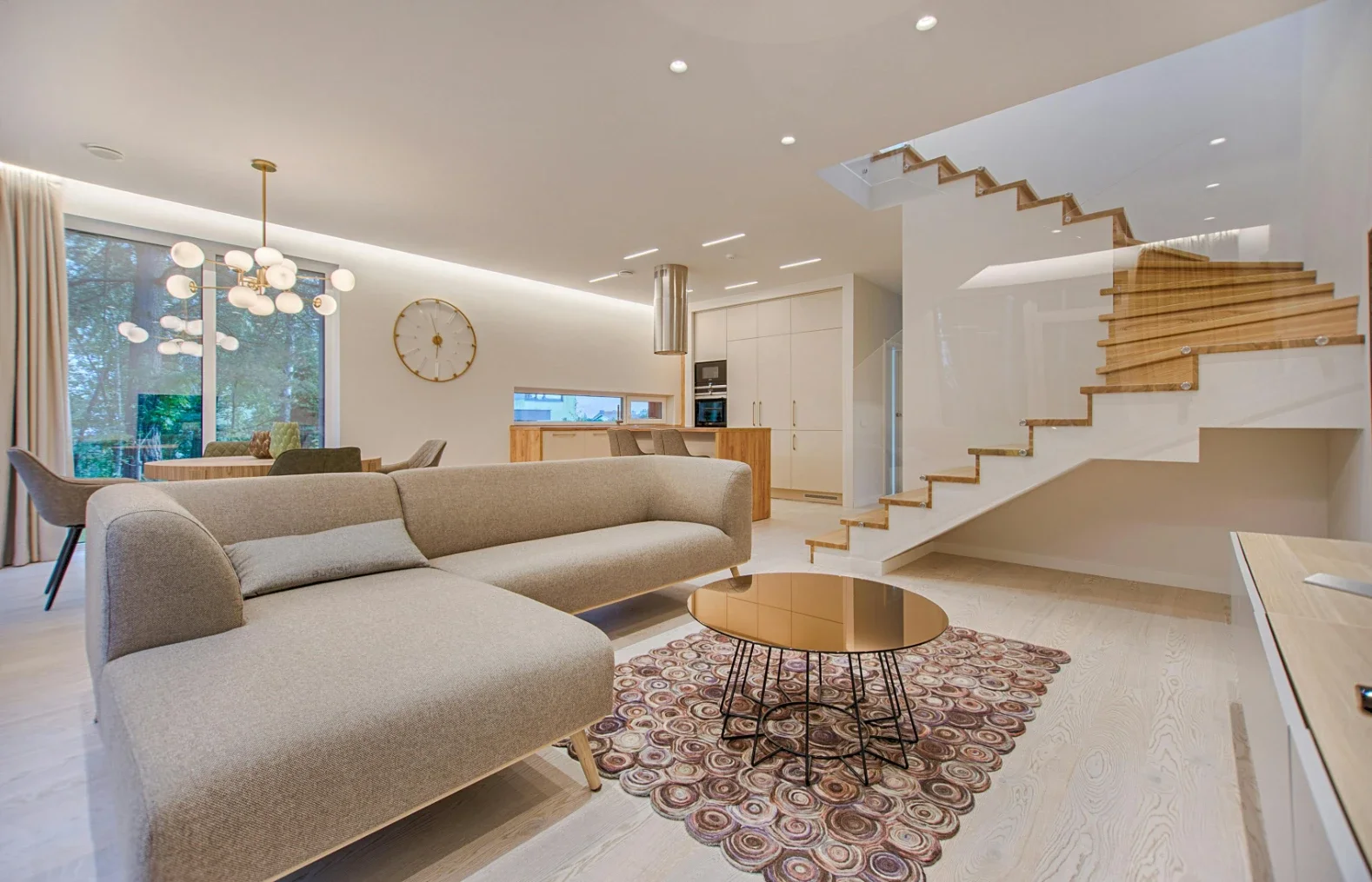
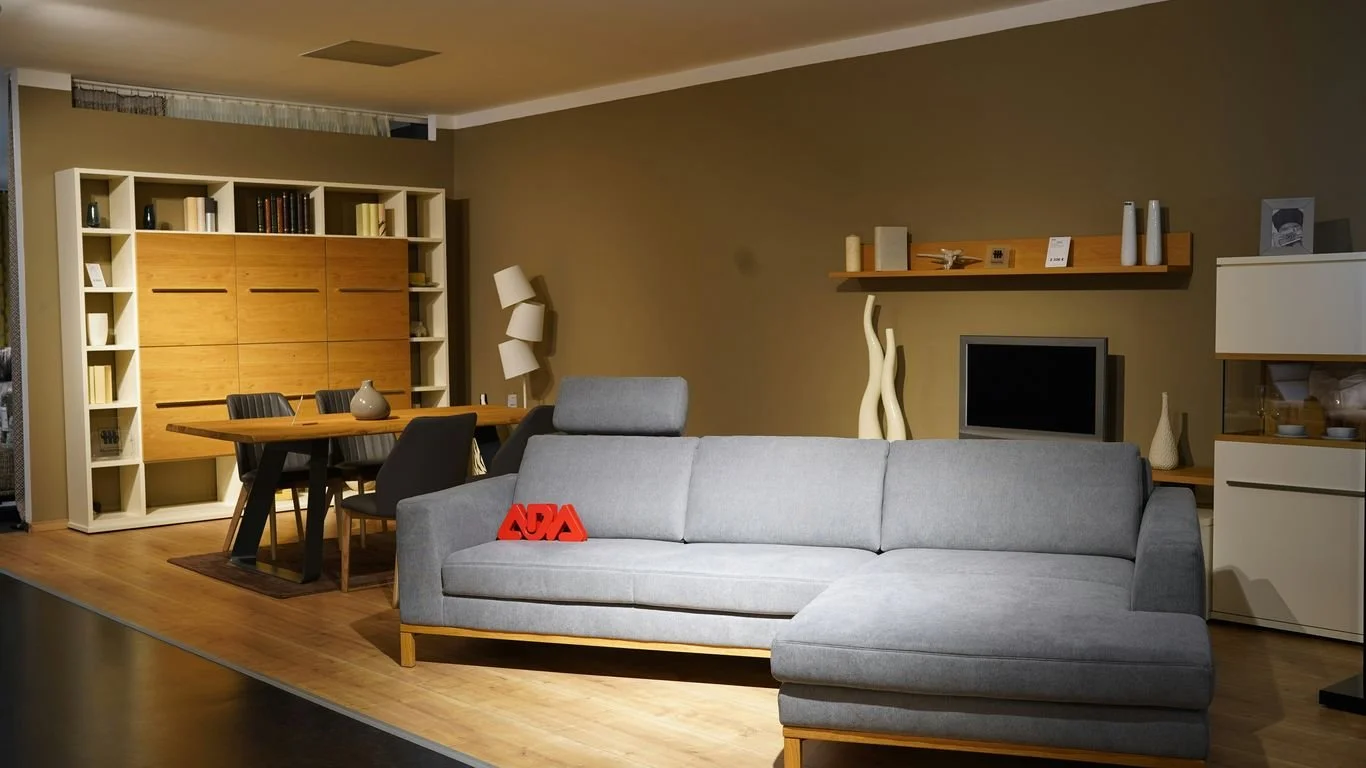
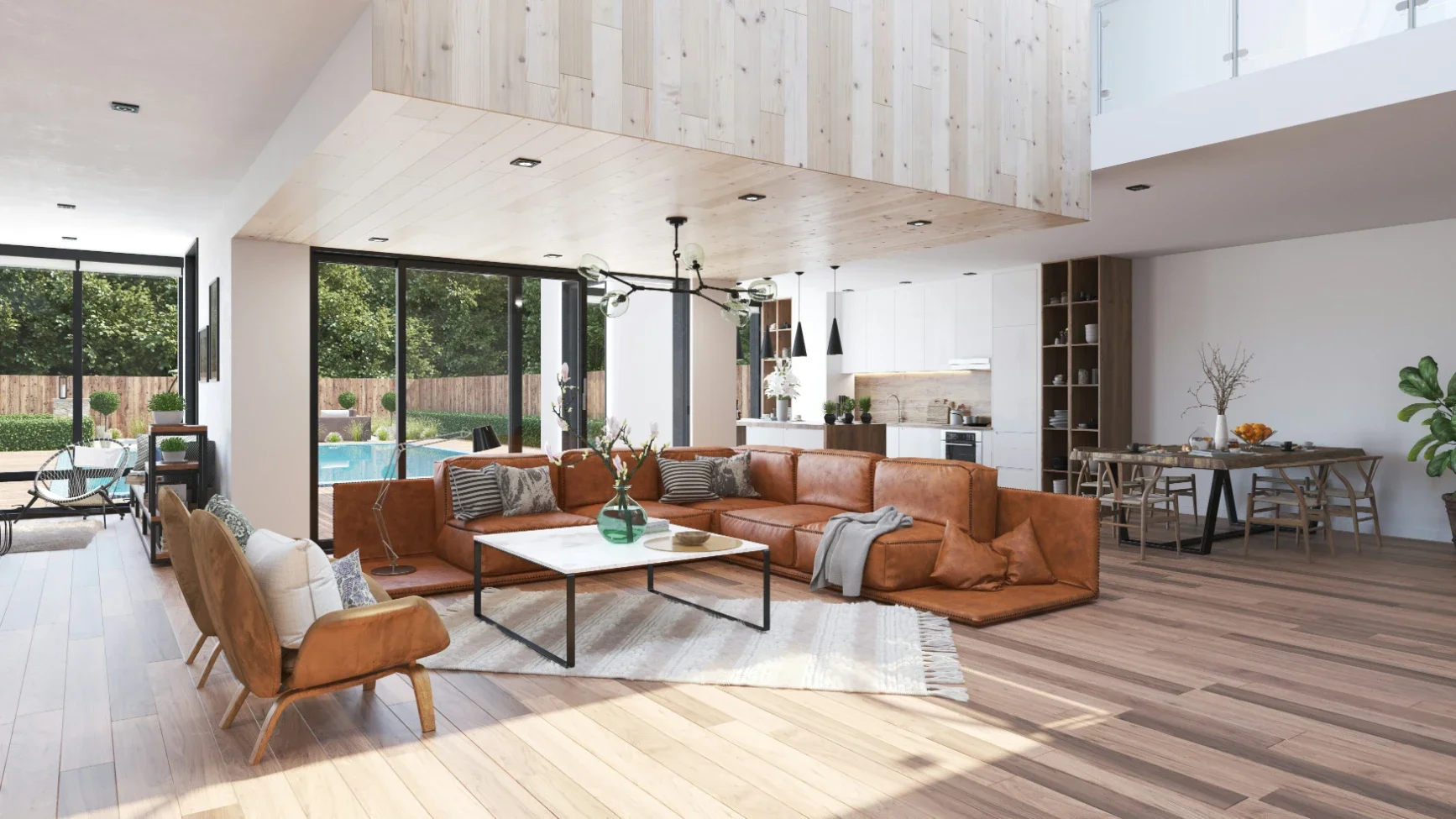
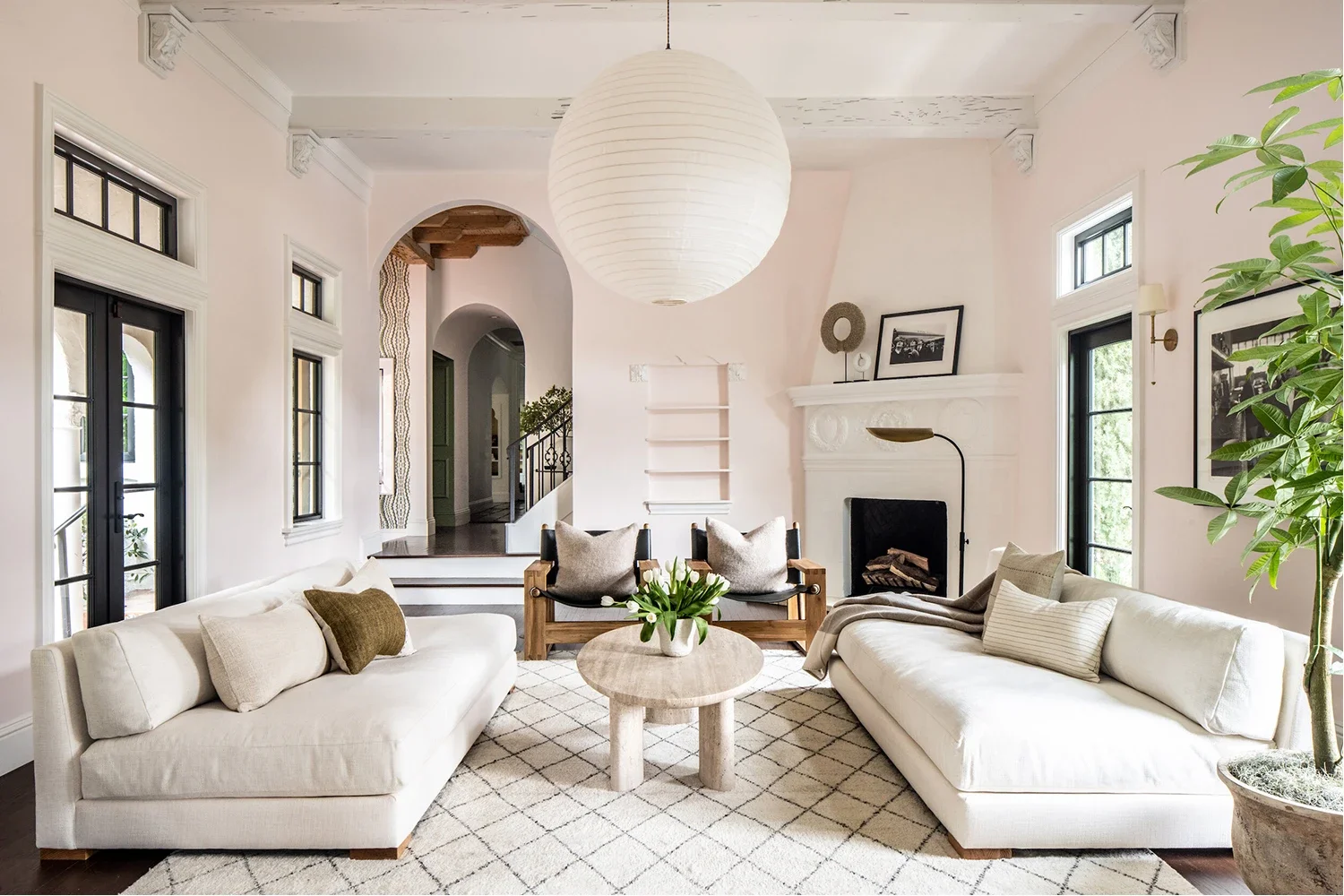
A small living room might benefit from a sofa with exposed legs, a round coffee table, and lighter side chairs instead of bulky recliners. A compact bedroom can feel more generous with simple bedding, wall-mounted lamps, and narrow bedside tables. An open-plan area can be divided with rugs, pendant lighting, and furniture placement so buyers understand where living, dining, and conversation zones begin and end.
Scale is also about movement. Buyers should be able to walk through a room comfortably without dodging furniture. Clear pathways make the home feel more practical and spacious. This is one reason decluttering is not just cosmetic. It changes how the buyer physically experiences the property.
The best furniture choices do not demand attention. They quietly prove that the room works. Once buyers see that a space can sensibly hold real furniture, they are more likely to trust the layout.
Highlight The Features Buyers Might Otherwise Miss
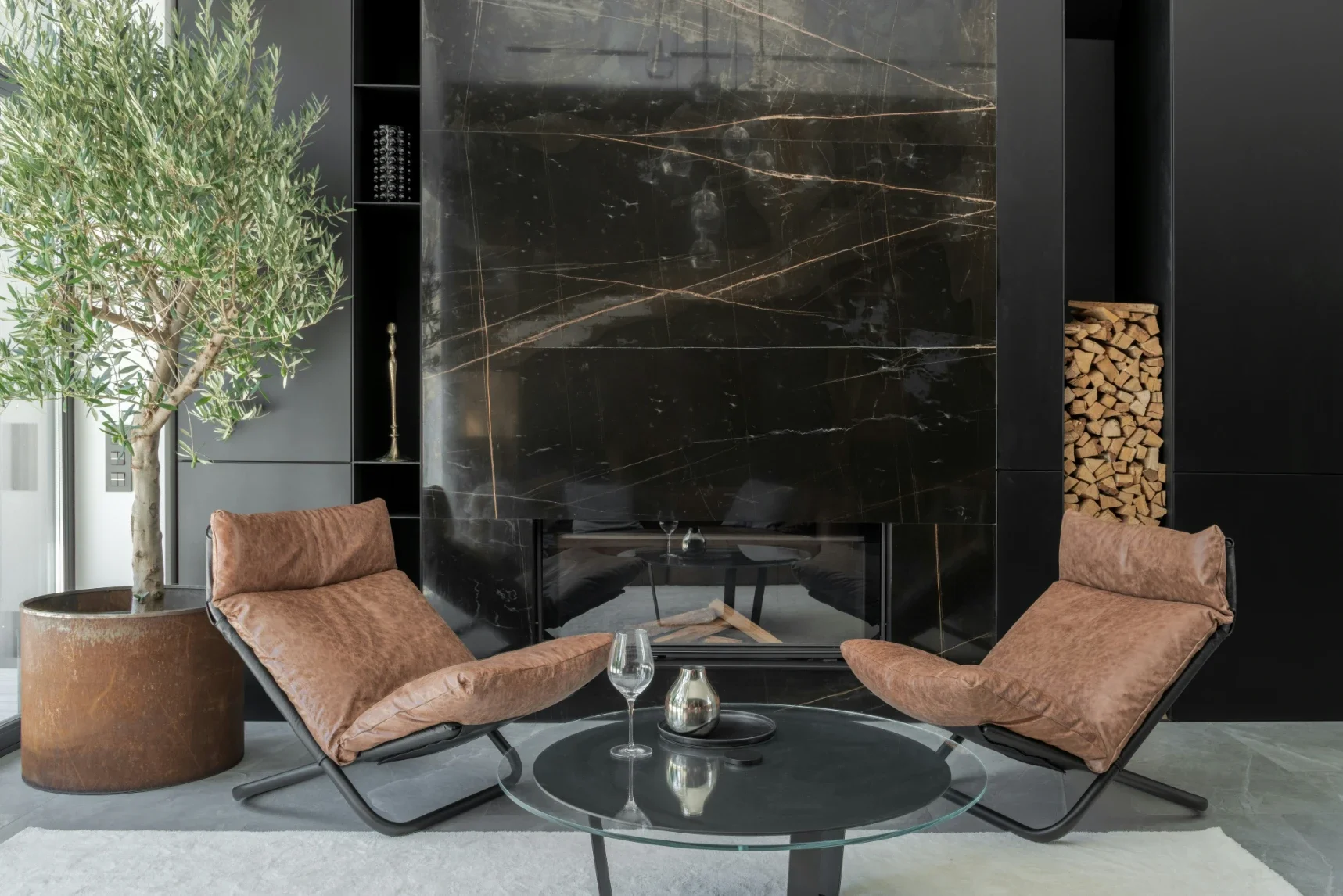
Some of a home’s best features are easy to overlook when the surrounding design feels tired or disorganized. A fireplace may disappear behind heavy furniture. The wrong rug may hide original floors. A beautiful window may be weakened by dated curtains. Built-in shelving may look cluttered instead of architectural.
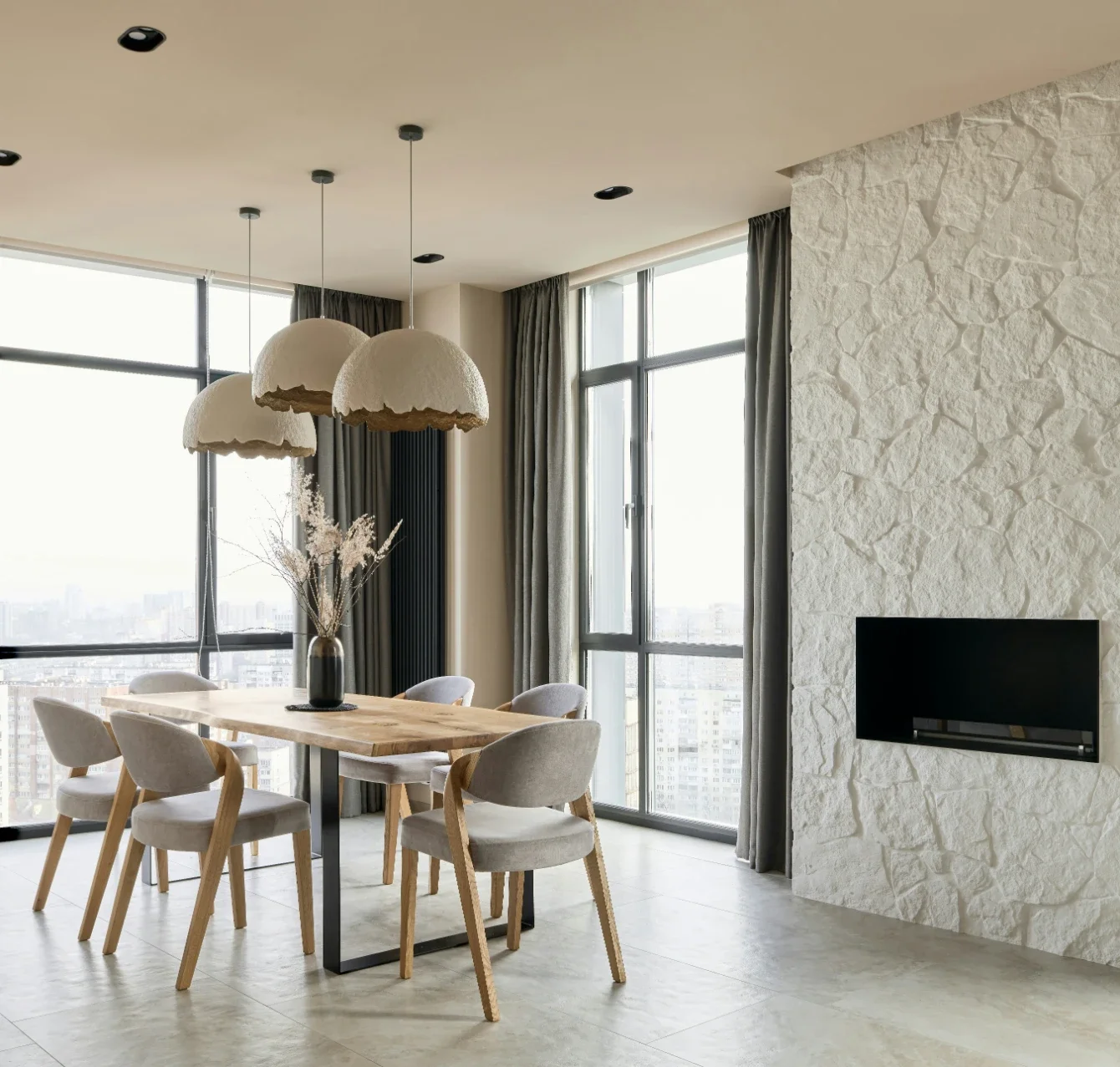
Interior design helps redirect attention to these assets. Pulling furniture away from a fireplace, using simple window treatments, styling shelves with restraint, or choosing a rug that reveals more flooring can make existing features feel more valuable. Even small updates, such as replacing cabinet hardware or adding modern lighting, can help buyers focus on the room's structure rather than its age.
This does not mean every home needs expensive upgrades before listing. Many properties benefit from editing more than renovation. Removing visual distractions, simplifying color clashes, and arranging furniture around the strongest feature in each room can make the home feel more coherent.
Buyers often remember one or two standout details after a viewing. Interior design makes sure those details are the right ones.
Wrapping Up
Interior design helps buyers move beyond first impressions and see how a home can actually work. By clarifying layout, highlighting useful features, softening awkward spaces, and creating warmth, it turns uncertainty into possibility. The result is a property that feels easier to understand, imagine, and emotionally connect with before purchase.
Stay up to date with our latest ideas!