Should You Renovate Before You Sell? What the ROI Data Actually Says
Should you renovate before selling? Explore what ROI data reveals about home improvements, resale value, and maximizing your return on investment.

In a December 2025 survey of more than 1,000 homeowners, Rocket Mortgage posed a hypothetical: given a choice between a $20,000 home renovation and a $20,000 dream vacation, which would you pick? Three out of four said the renovation. The same survey found that 47% of homeowners would factor resale value significantly into that kind of renovation decision. That number sounds like a sign of financial discipline. But it raises a harder question: are those homeowners actually calculating the right thing?
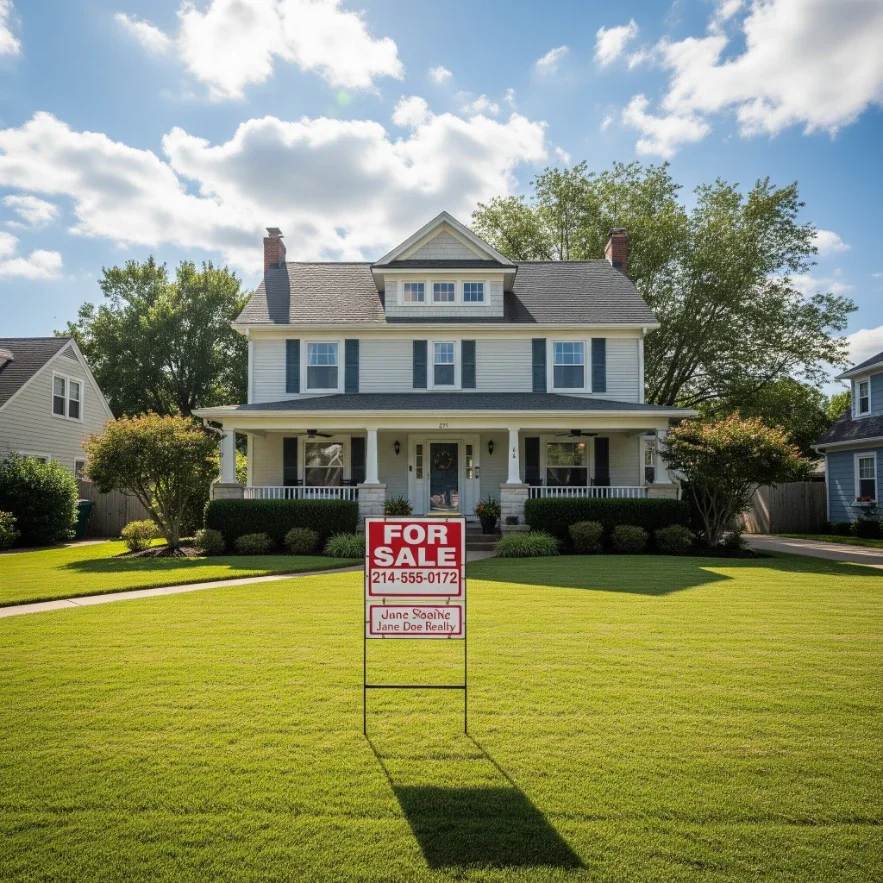
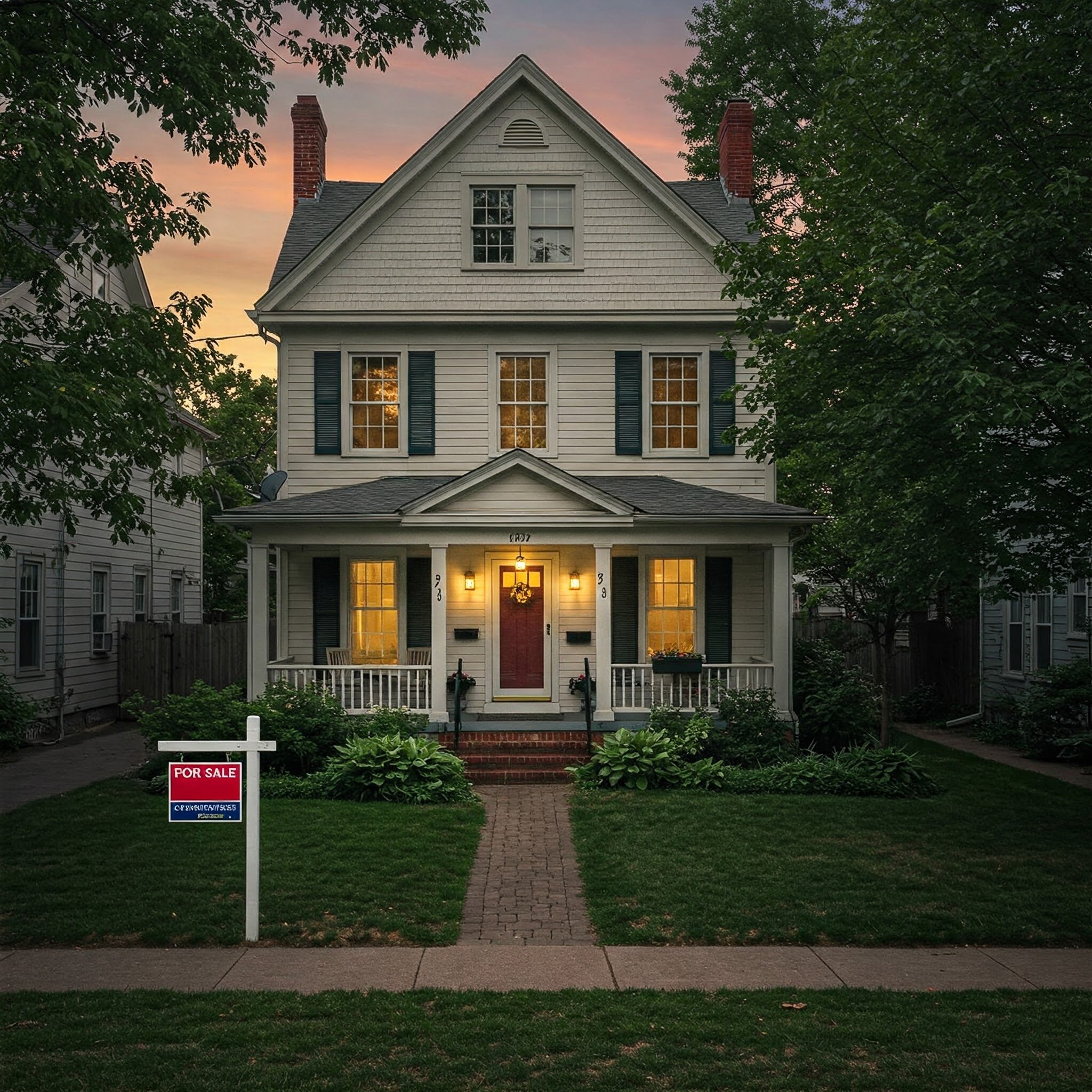
Factoring in resale value is not the same as choosing projects that deliver it. The gap between what homeowners want to renovate and what the market rewards at sale is real, and for anyone planning to list within the next one to three years, closing that gap is worth more attention than most listing prep guides suggest.
The Projects That Tend to Pay Back at Sale
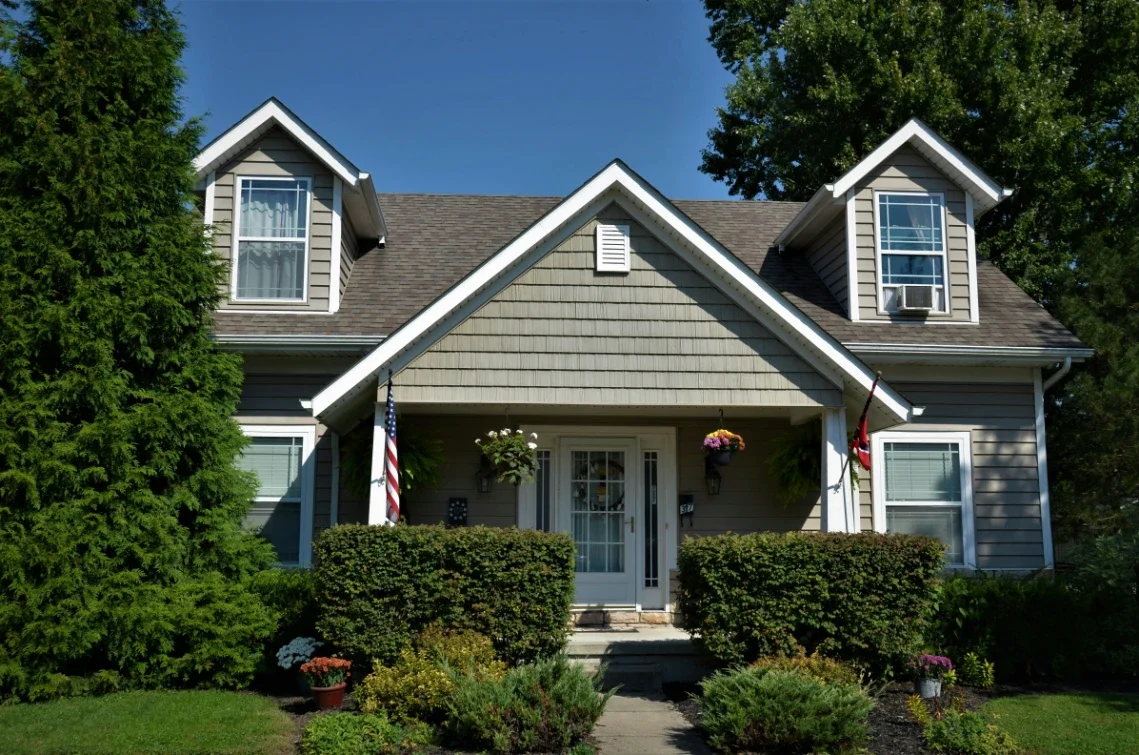
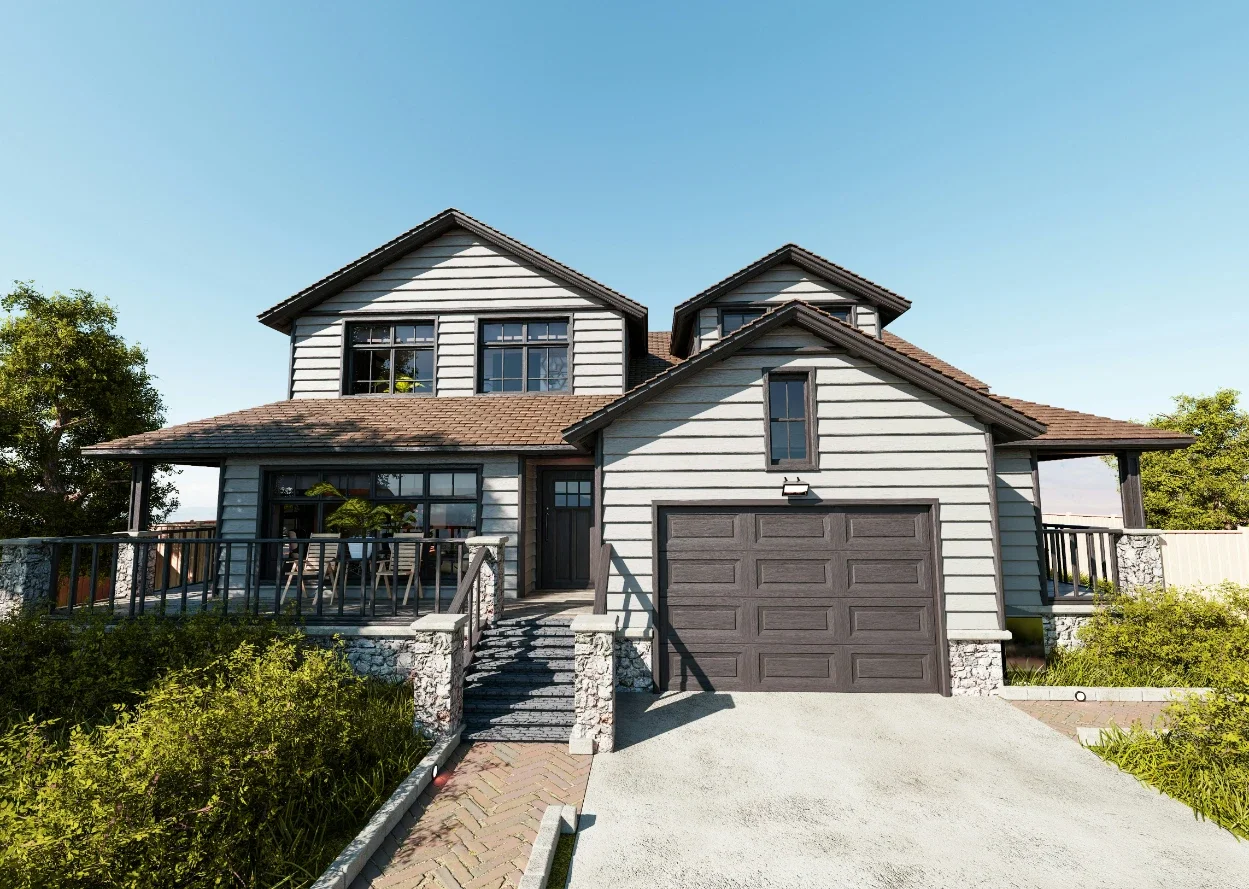
Start with the exterior. According to the National Association of REALTORS Remodeling Impact Report, exterior projects consistently rank among the highest-returning renovations at resale. Curb-appeal upgrades such as a new steel or fiberglass front door, new siding, garage door replacements, and window or door upgrades routinely recover a large share of their cost at resale, with some projects approaching full payback depending on region and the condition of the existing materials.
This matters because, in the Rocket Mortgage survey, 21% of homeowners said they would prioritize windows and doors and 23% would consider landscaping if they took on such a renovation. Those instincts are not wrong for pre-sale purposes. Curb appeal projects tend to be cost-controlled, visually immediate, and broadly appealing to buyers who are forming first impressions before they ever walk through a door.
Landscaping deserves special mention. The National Association of Realtors' 2024 Remodeling Impact Report gives standard lawn care and landscape upgrades a "Joy Score" that reflects high homeowner satisfaction, but more practically, NAR data shows that basic landscaping improvements recover a significant share of their cost at sale. The key word is "basic." Elaborate outdoor kitchens or custom water features push into a category where personal taste starts to override market value.
The practical takeaway: if you are selling in the next one to three years and have a limited renovation budget, the exterior is where you are most likely to recover a high percentage of what you spend.
Where Homeowners Often Overspend for Little Return
Kitchens are where pre-sale renovation logic most frequently breaks down. The Rocket Mortgage survey shows that 25% of homeowners rank kitchen remodels among their top renovation priorities, and 28% say a dream kitchen remodel feels more satisfying than a dream vacation. That emotional pull is real — but it can work against you financially when the remodel is done for a buyer, not for yourself.
Major kitchen overhauls — full cabinet replacements, high-end appliances, structural layout changes — frequently recoup a smaller share of their cost at sale, according to the Remodeling Impact Report. A $60,000 kitchen renovation that adds $35,000 to your sale price is not a financial win. It is a choice, and it may be the right choice for other reasons, but it is not an ROI play.
This does not mean kitchens should be ignored before listing. Minor kitchen updates — refinished cabinets, updated hardware, new countertops in a mid-range material, modern lighting — tend to perform meaningfully better than major overhauls on a cost-recouped basis. The scope of the project matters as much as the room itself.
Bathrooms follow a similar pattern. They represent the top renovation priority in the survey, with 28% of homeowners selecting them as their first choice. Mid-range bathroom remodels — updated fixtures, new tile, refreshed vanity — tend to recoup in the 65% to 70% range. Luxury bathroom additions and primary suite spa conversions, on the other hand, often fall below that threshold, particularly in mid-priced markets where buyers are not expecting or paying for those finishes.
How Local Market Conditions Change the ROI Math
Aggregate data gives you a starting point, not a final answer. The same kitchen remodel that underperforms in a suburban market in the Midwest may recover more in a high-demand coastal market where buyers are paying premiums and expecting updated finishes. Regional cost of labor, local buyer expectations, and neighborhood price ceilings all affect the math in ways that national averages cannot capture.
The $608 billion Americans spent on home remodeling in 2025 — roughly 50% above pre-pandemic levels according to Harvard's Joint Center for Housing Studies — reflects a market where renovation costs have increased substantially. That rise in costs without a proportional rise in sale prices in many markets means recoup rates have come under pressure. A project that recovered 75% of its cost in 2019 may recover significantly less today simply because labor and materials cost more.
This is one reason Rocket Mortgage's renovation vs. vacation spending survey is useful framing for a broader conversation with local professionals. The survey documents what homeowners are prioritizing nationally, but a local real estate agent and a contractor with neighborhood-level experience will tell you what buyers in your specific market are responding to and what price range supports which finishes.
What the 47% Should Actually Be Calculating
Factoring in resale value is the right instinct. The more precise version of that instinct is project-level ROI thinking: not "will this help me sell?" but "how much will I spend, how much will the market reward it, and is there a lower-scope version of this project that hits the same buyer psychology for less money?"
The survey found that 53% of homeowners said they would use personal savings for their renovation, with 47% saying they would turn to financing options including HELOCs, home equity loans, and other instruments. For homeowners using debt to fund pre-sale renovations, the ROI threshold rises immediately, because the cost of the capital has to be factored into the real return.
The homeowners most likely to come out ahead are the ones who match project scope to market expectations, prioritize the exterior for high-recoup impact, resist the pull of major kitchen or bathroom overhauls driven by personal preference rather than buyer demand, and get local guidance before writing checks. The 47% who say resale value matters to them are asking the right question. The answer requires more specificity than the question alone provides.
References
Harvard Joint Center for Housing Studies. (2025). Improving America's Housing 2025 (LIRA). https://www.jchs.harvard.edu/improving-americas-housing-2025
National Association of Realtors. (2024). 2024 Remodeling Impact Report. https://www.nar.realtor/research-and-statistics
Stay up to date with our latest ideas!