Heat Pump or Traditional AC: How to Choose Before Summer
Compare heat pumps and traditional AC systems to choose the right cooling solution before summer, based on efficiency, costs, and climate needs.

Choosing between a traditional air conditioner and a modern heat pump is a decision that can seriously impact your home’s comfort. The former is a reliable solution designed solely to beat the summer heat; on the one hand, the heat pump is a highly efficient tool capable of both cooling and heating your home. You’ve got to consider the specific realities of your household in order to make the right call.
Are you looking to slash your monthly utility bills? Do you simply not want to sweat through the heat? Whatever your reason is, continue reading this article so you can wisely choose between a traditional AC and a heat pump before summer takes over.
Questions That Matter
Here are the three most important questions to ask yourself before taking your pick, as they touch on the biggest factors that determine which system actually belongs in your home:
Where Do You Live?
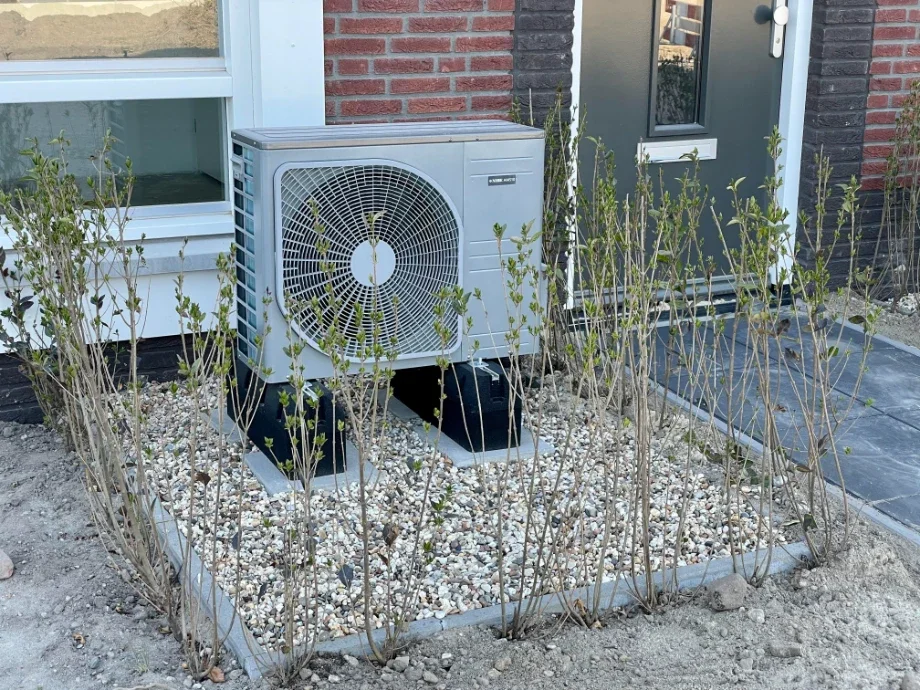
Geography can tell you how hard your system has to work. Yes, both units are great at dumping indoor heat outside during the summer, but a heat pump has a unique reverse gear that pulls warmth from the outdoor air to heat your home in the winter. It’s ideal for locations with mild climates where it rarely freezes, although you might need a backup heating system if you live in a region with brutal winters.
Another thing to consider is if you live in a place where winter is just a lighter shade of summer. It might be unnecessary to pay extra for a heat pump’s heating capabilities when standard cooling systems would suffice.
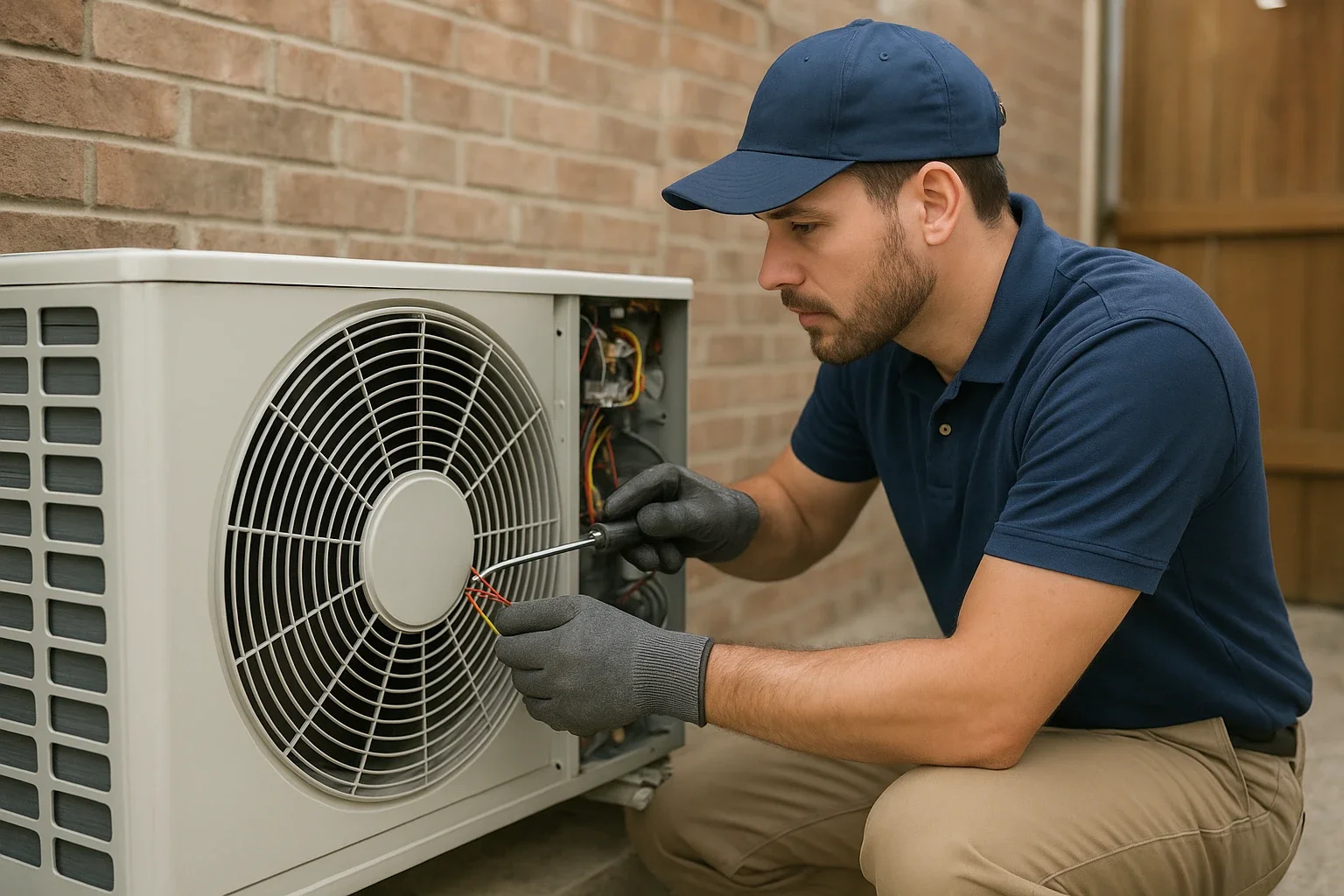
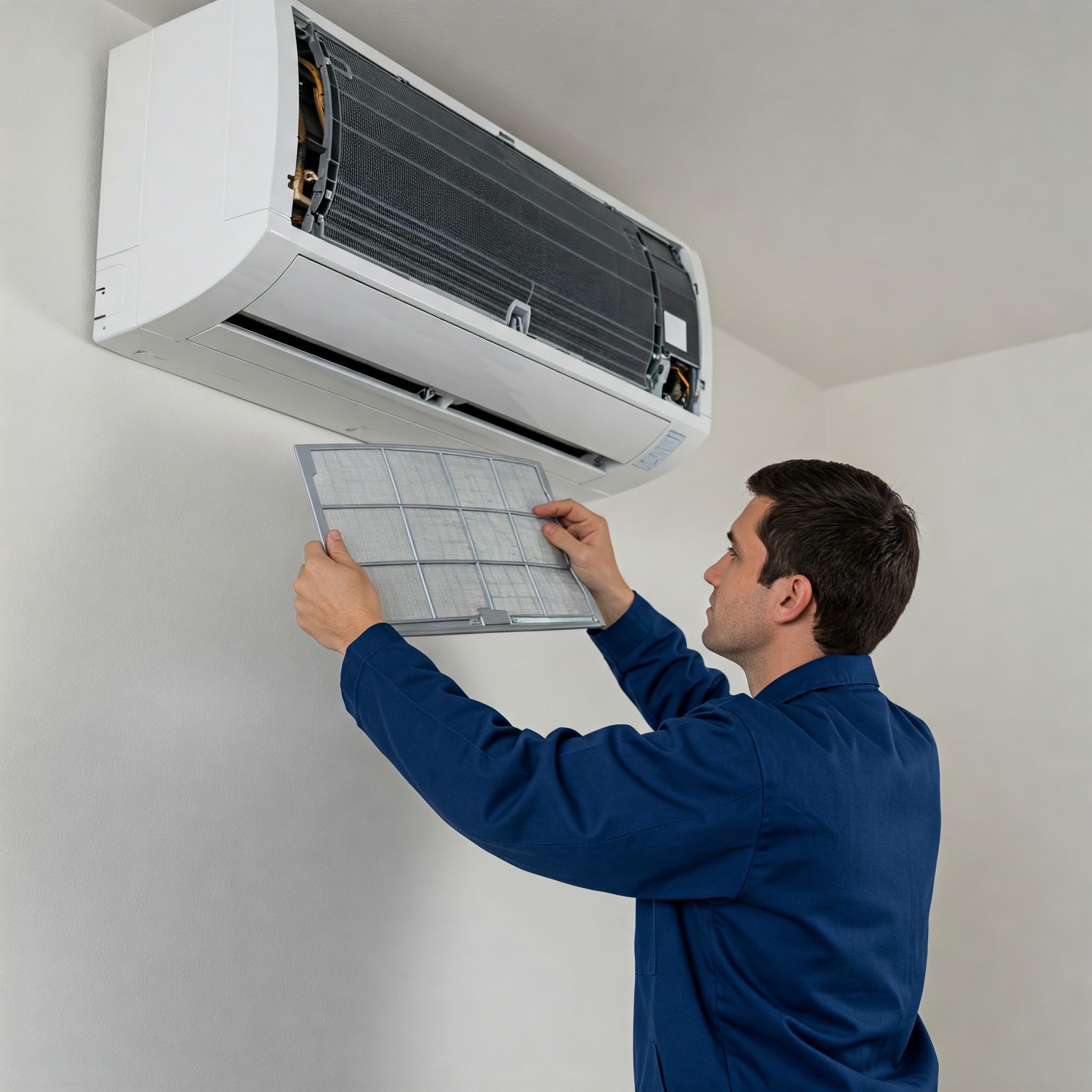
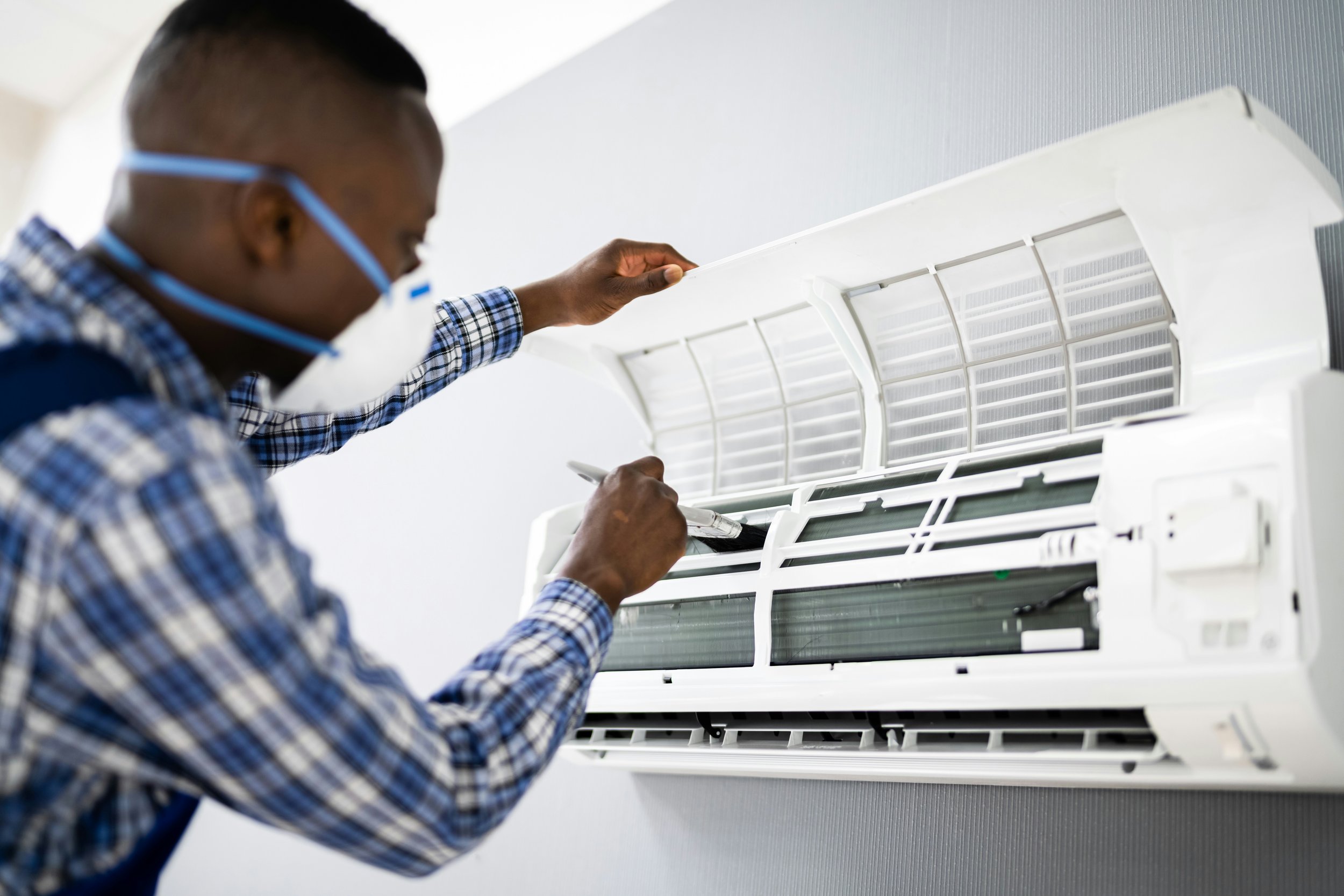
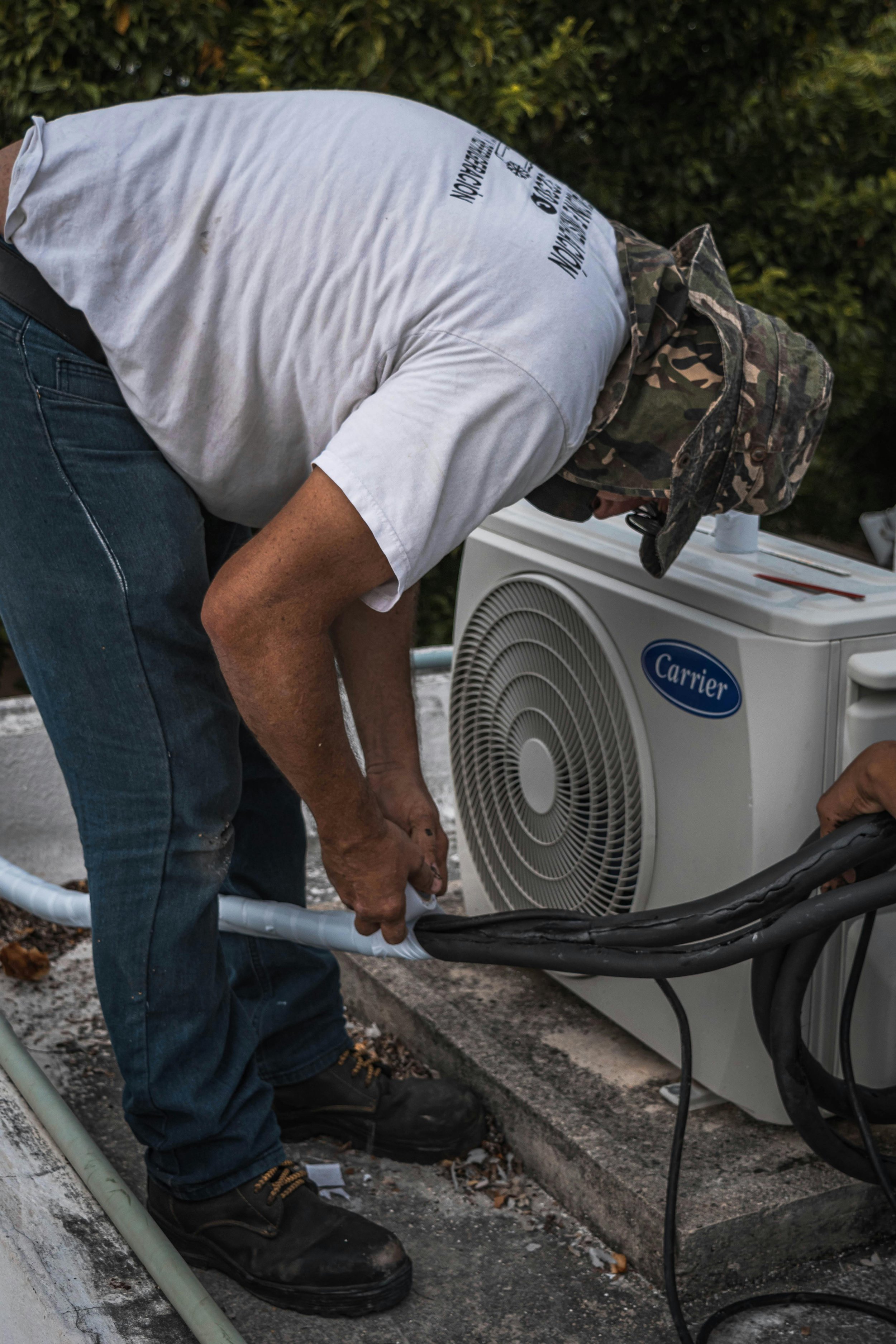
Once you’ve found the perfect unit for your climate, it’s a smart move to hire a professional HVAC technician to handle the heavy lifting. They’ll make sure the installation costs are clear upfront and that the system is perfectly tailored to your home’s specific layout and insulation.
What Are You Replacing?
Do you already have a functioning gas furnace and just need to replace a broken AC? A standalone air conditioner would be the most budget-friendly choice. Now, has your furnace been serving you for more than a decade and is starting to rattle? Switching to a heat pump that handles both jobs makes more sense.
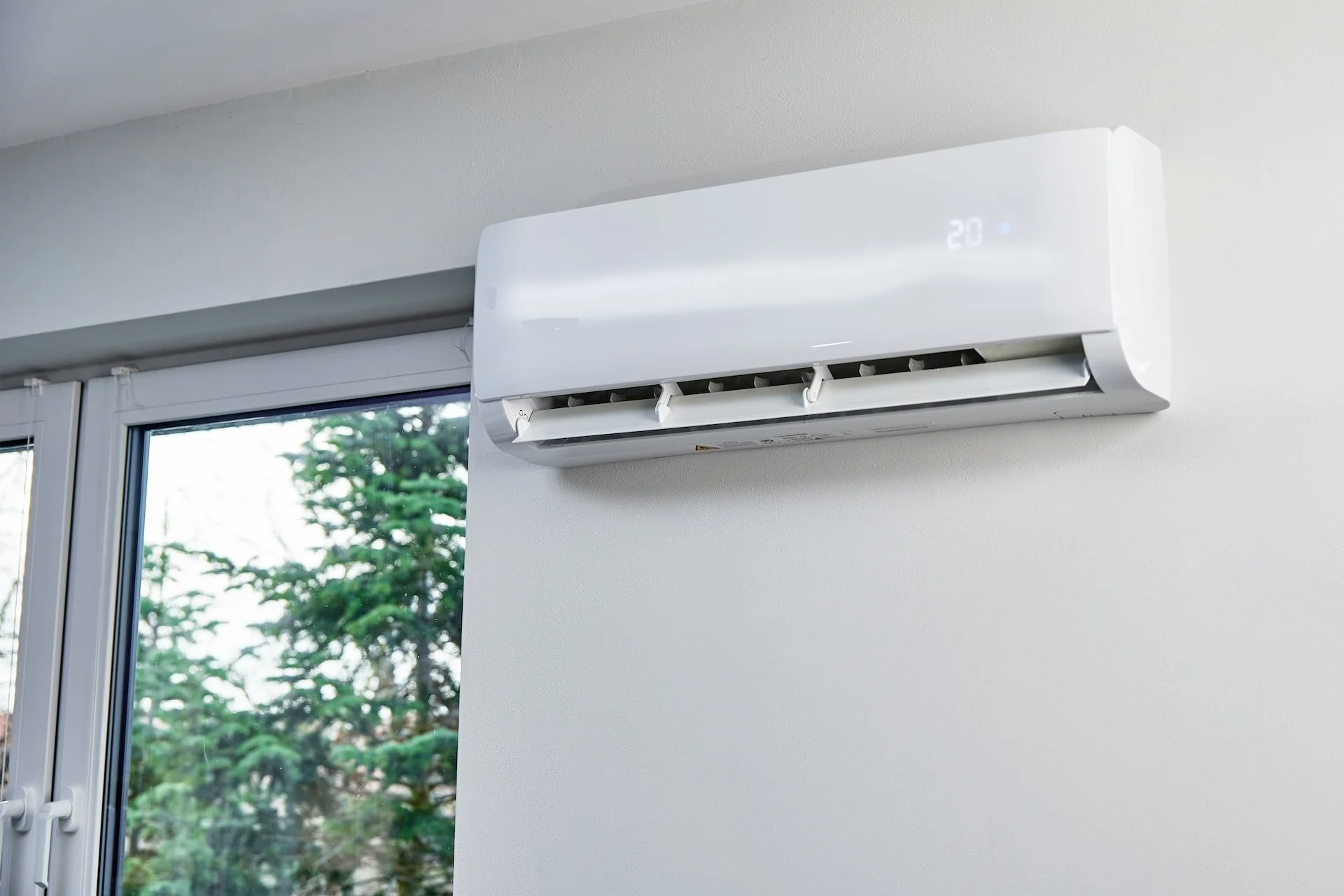
You also have to think about your ductwork. Know that high-efficiency systems often move air differently than older models, so your home’s ducts should be able handle the new equipment's specific airflow requirements. But don't think ducted heat pumps and air conditioners are your only choice. A split system, which allows for zoned control, is a great alternative when installing or upgrading ducts isn't feasible for your home.
What's Your Energy Situation and Budget?
If your home is entirely electric and you’re currently relying on expensive heaters, a heat pump is an upgrade you won’t regret as it can significantly cut down your winter bills by providing a higher thermal output per kilowatt-hour. A gas furnace remains the more economical choice if natural gas is cheap where you live. If your home relies on solar power, a heat pump is the ultimate companion because it allows you to use your own electricity for both heating and cooling, shielding you from the rising costs of fossil fuels.
When a Heat Pump Is the Better Choice
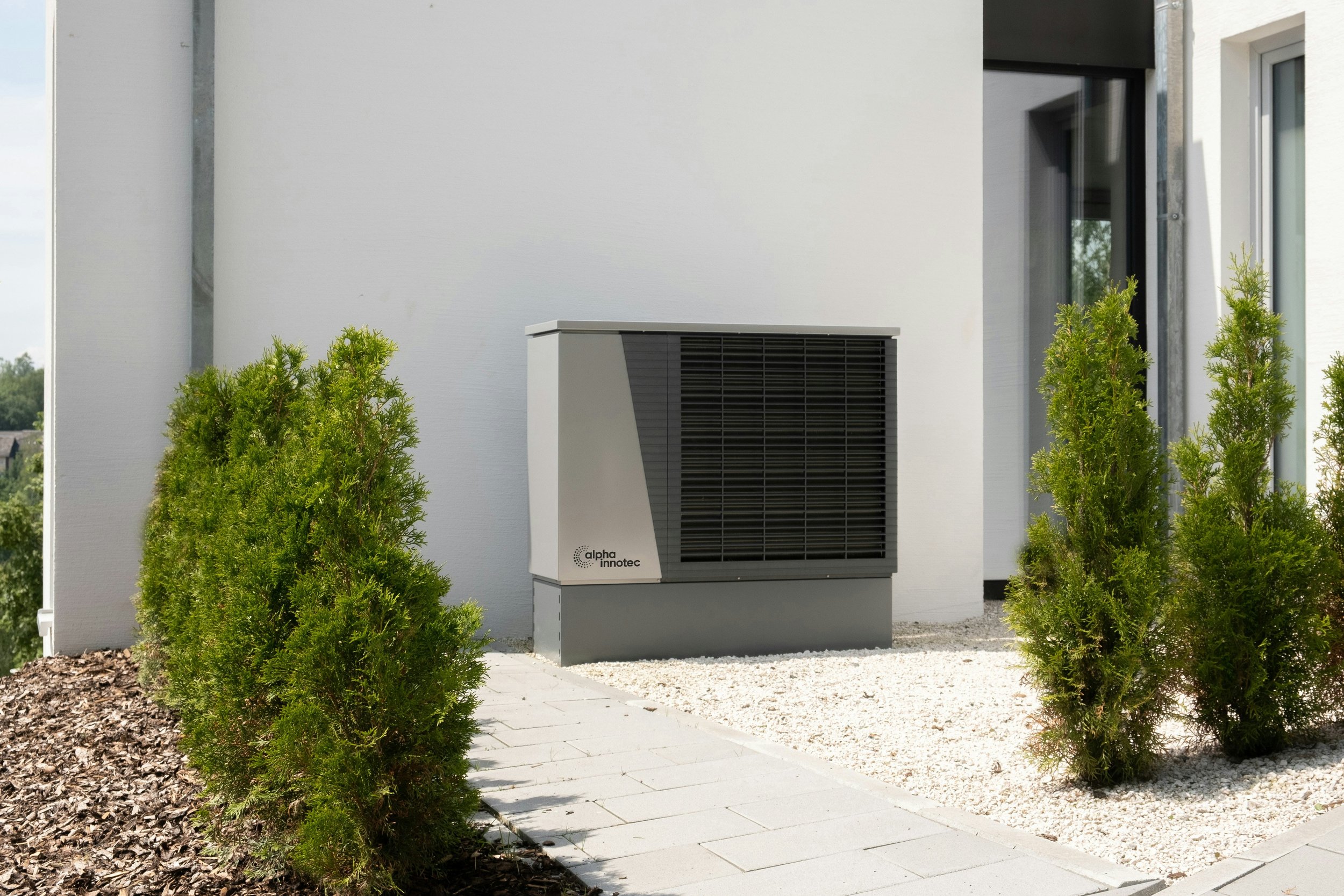
A heat pump is a no-brainer if you live somewhere with decent weather and care about the environment. Instead of making heat by burning fuel, it shifts air around, which makes it incredibly efficient. A heat pump gives you that gentle warmth in the winter and a refreshing, dehumidified air conditioning in the summer. It’s the smartest way to future-proof your home, ditch the gas bill, and stay comfortable all year round.
When Traditional AC Wins

The classic air conditioner is far from being obsolete. Paired with a reliable gas furnace, it’s the perfect choice if you’re in a location where winters are pretty intense and natural gas is cheap. This hybrid setup gives you the best of both worlds: a cooling machine for the summer and a powerhouse furnace that won’t let you down when the temperature drops below zero.
Also, if you have a furnace that’s running perfectly, buying a standalone AC unit is much easier on the bank account than opting for a full heat pump system. And because a traditional AC is built for one specific job, it translates to fewer need for checks and, thus, lower repair bills over the years.
Conclusion
Deciding which one works better between a heat pump and a traditional AC comes down to balancing what your home needs right now with how much you’re willing to spend in the long run. If you’ve got a furnace that works perfectly fine, a traditional AC is the more reasonable option. A heat pump is hard to beat if you’re looking for an all-in-one workhorse. Make the right choice, and your home will definitely feel like a sanctuary in any season.
Stay up to date with our latest ideas!