Making a Dining Room Feel Special with Thoughtful Design Details
Learn how thoughtful design details can make a dining room feel special, using lighting, textures, layout, and decor to create warmth and elegance.
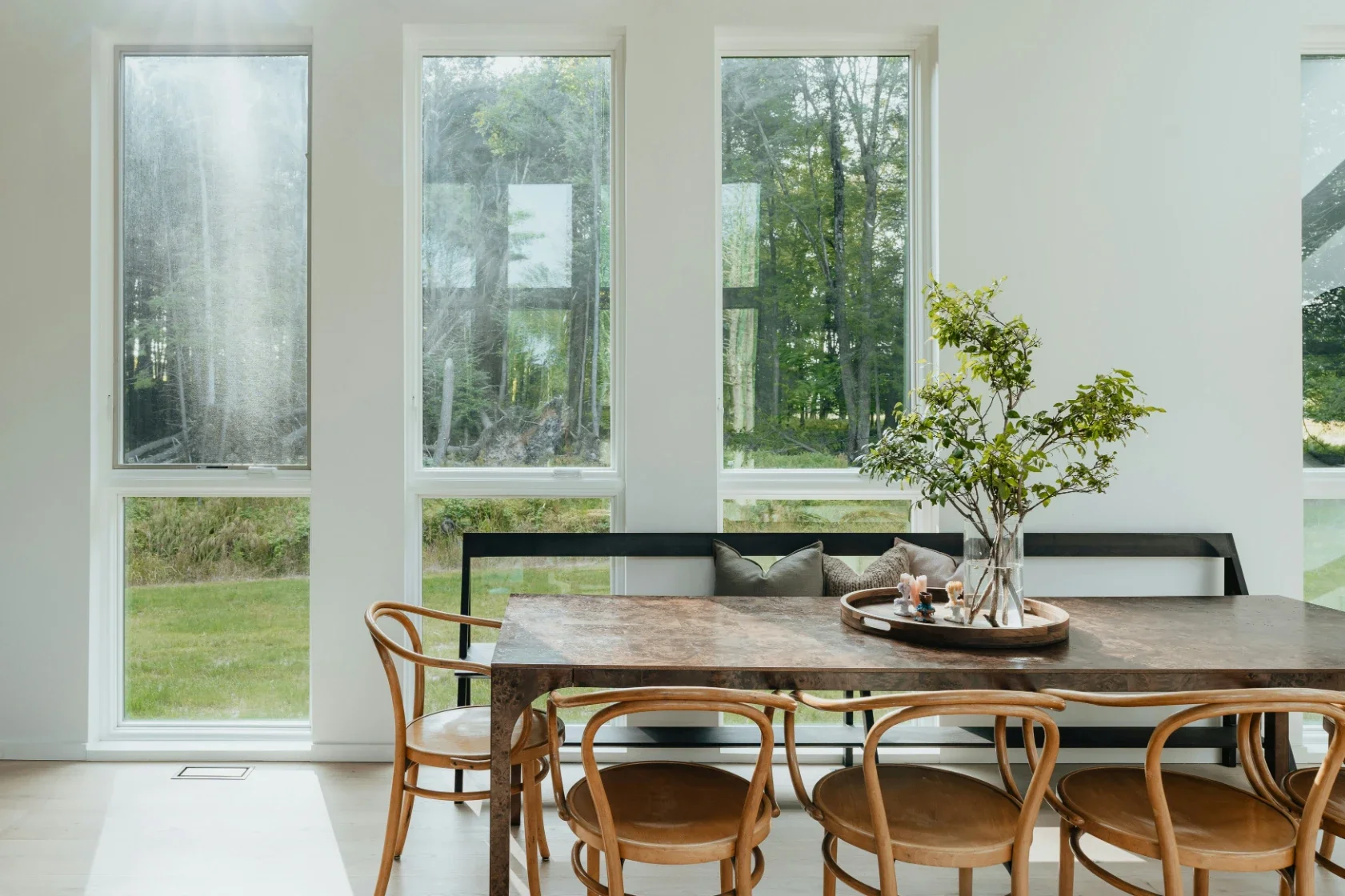
Creating a dining room that feels inviting and memorable doesn’t always require a complete renovation. That might be just the type of project you enjoy, but just a few careful choices in furniture, lighting, and decor can transform the room. Meals will feel more intimate and occasions more meaningful. Here are six quick tips to make the space feel special.
Consider Lighting that sets the Mood
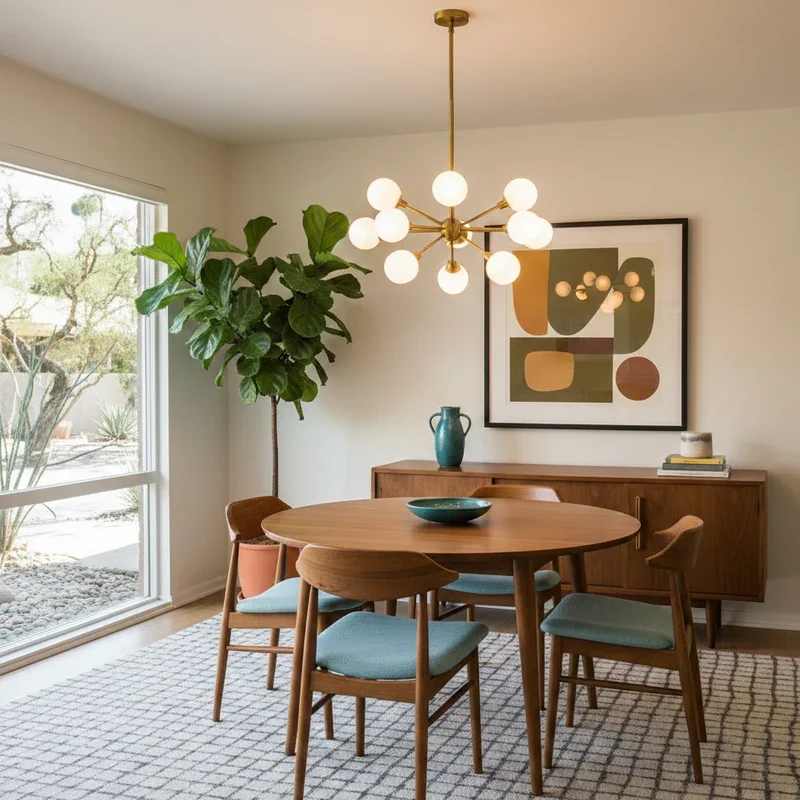
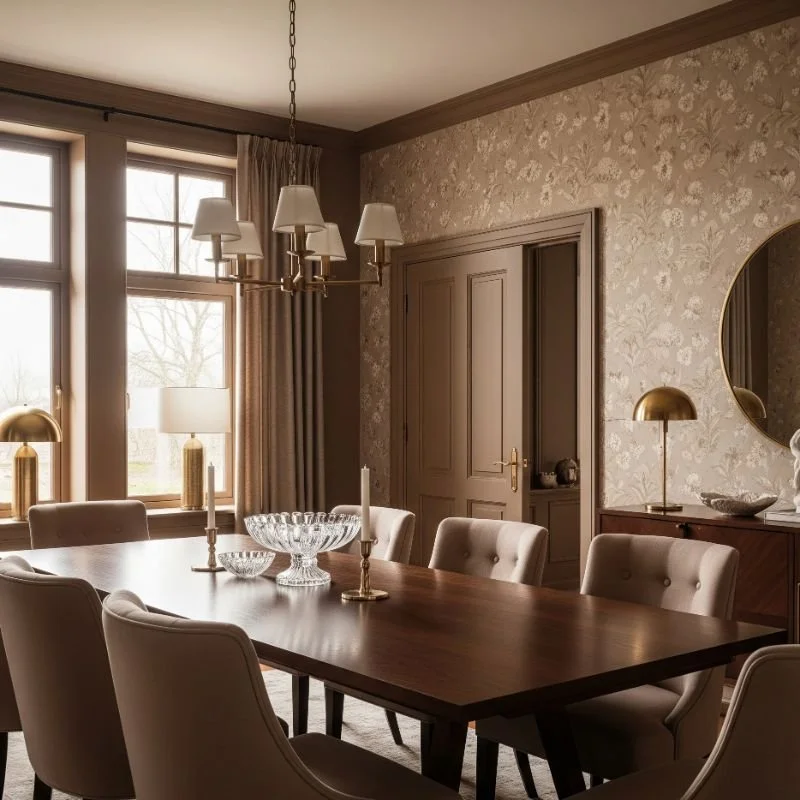
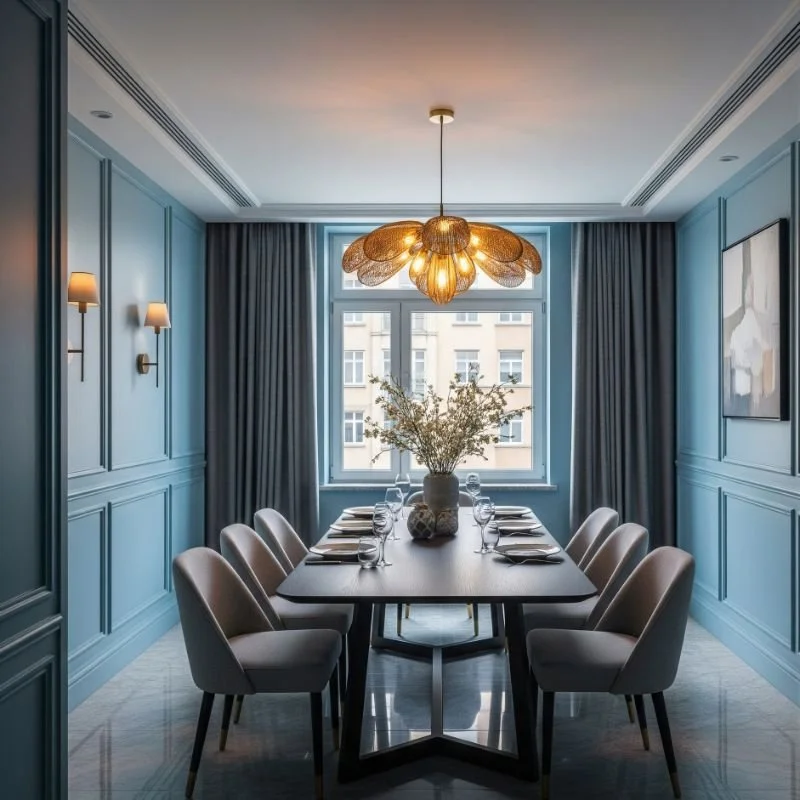
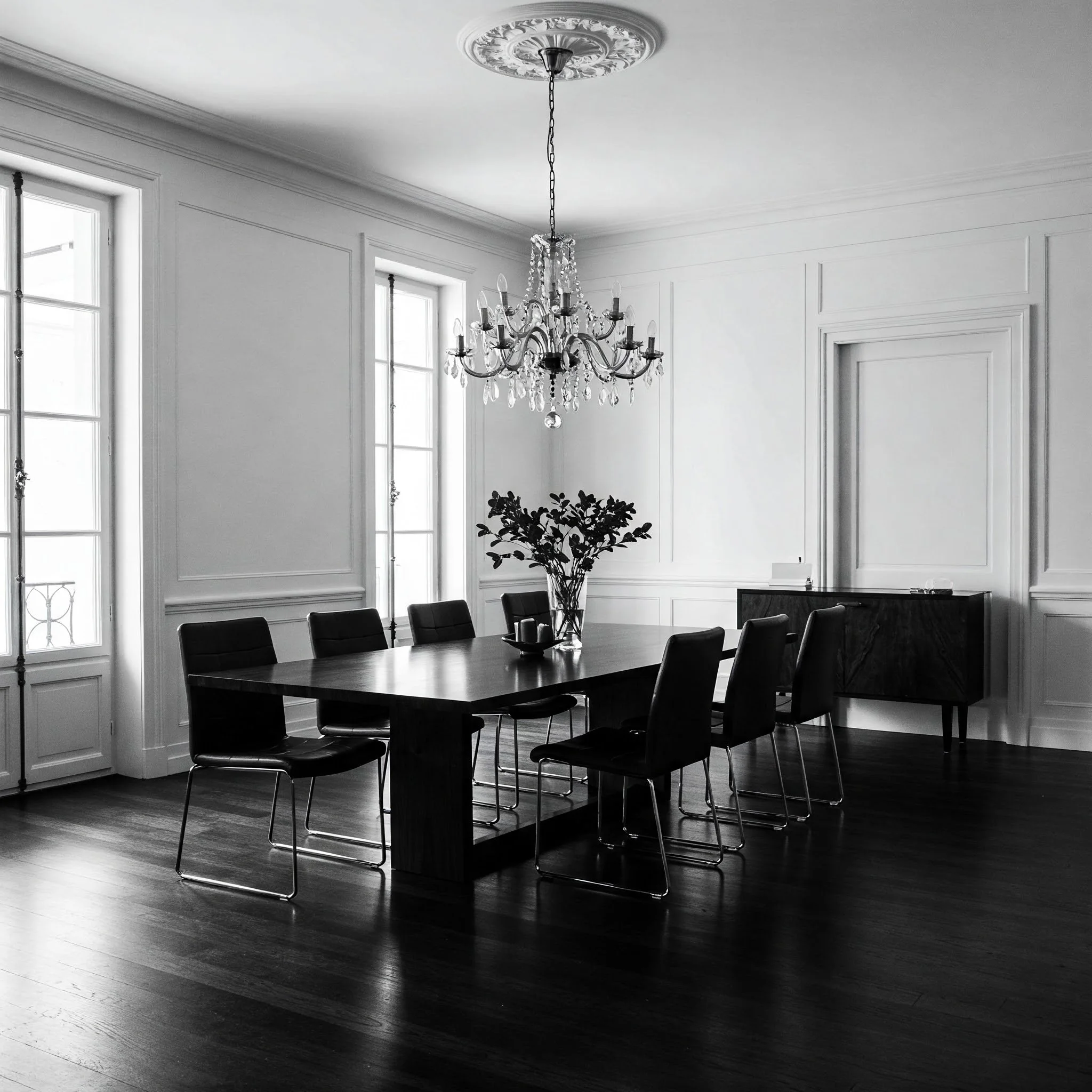
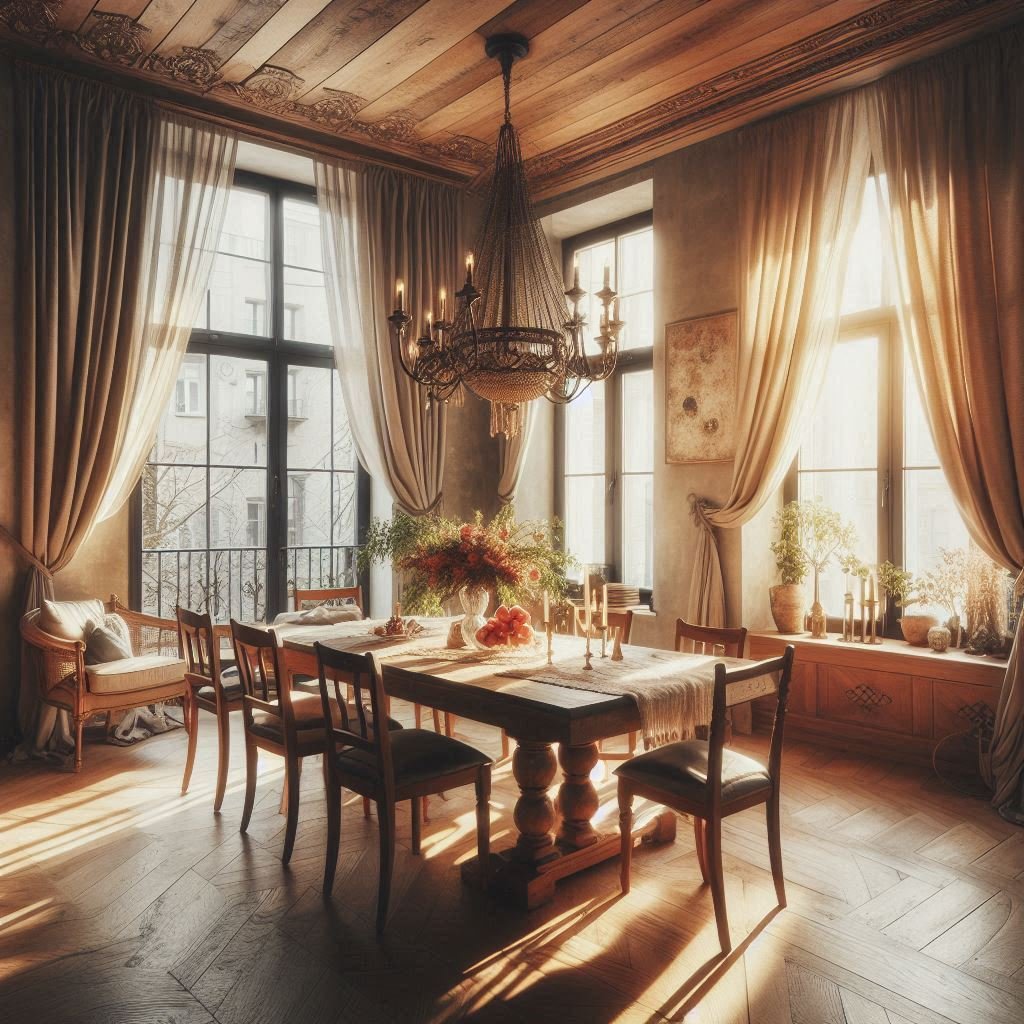
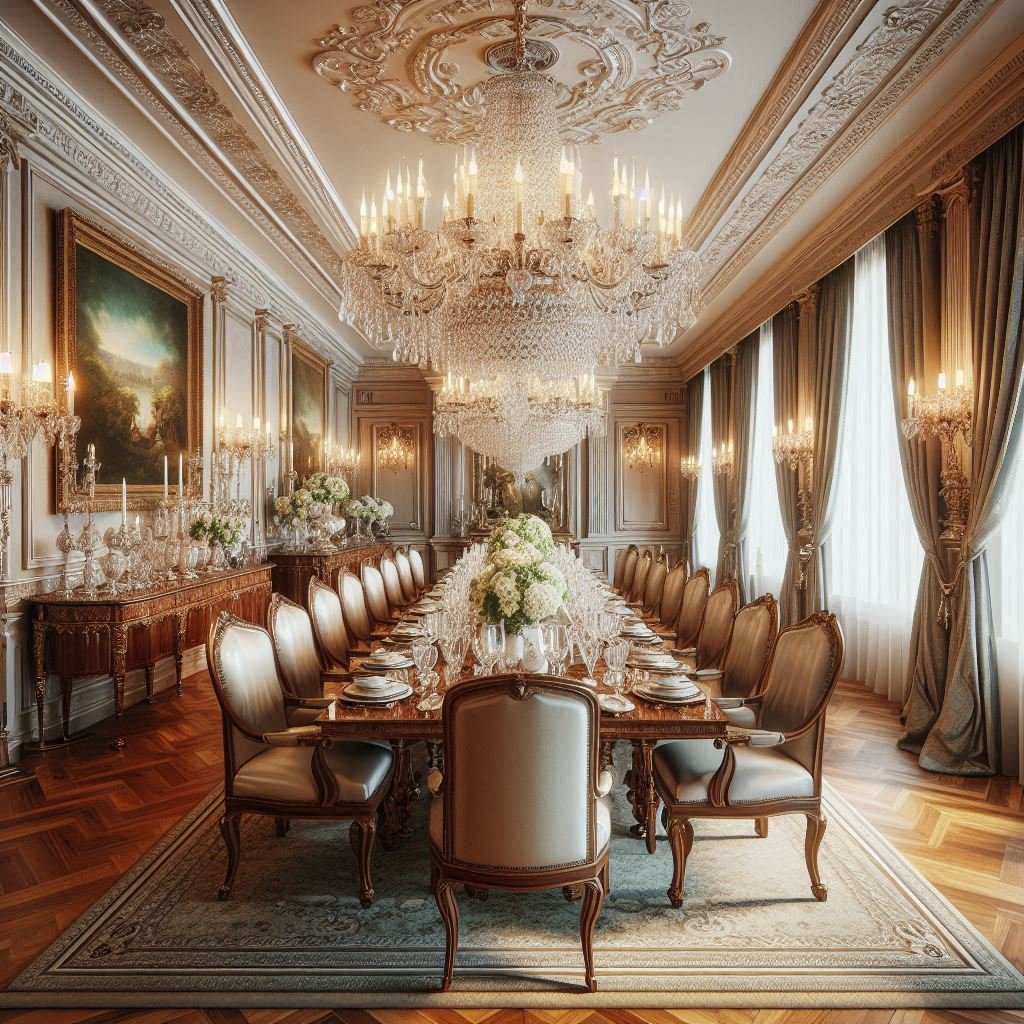
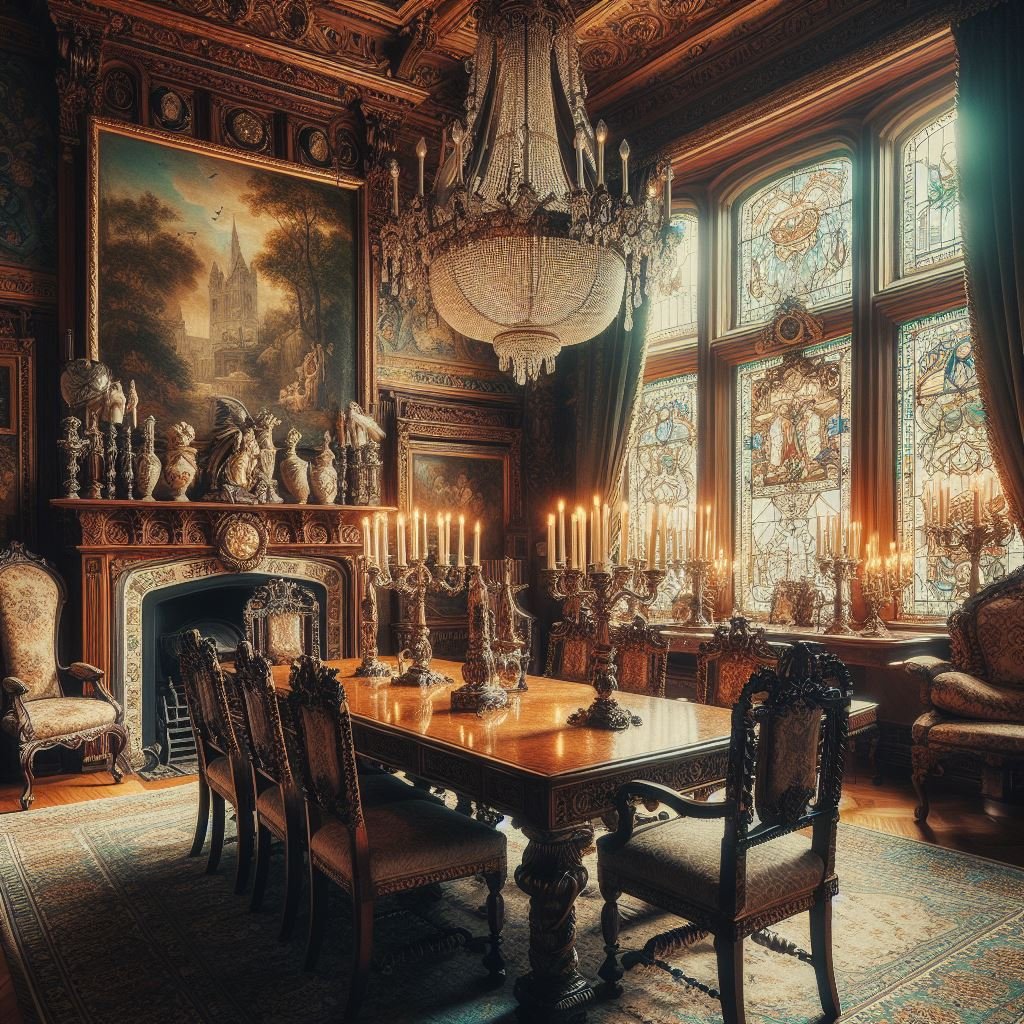
Lighting has the power to change the atmosphere of any room. A chandelier above the table can make a great statement piece and provide a soft glow for dinners. You might opt for adjustable lighting – bright light can be used for family meals or projects, while dimmed light creates a cozy setting for late-evening gatherings.
Wall sconces or pendant lights near a side table can add layers of light and make the room feel more complete.
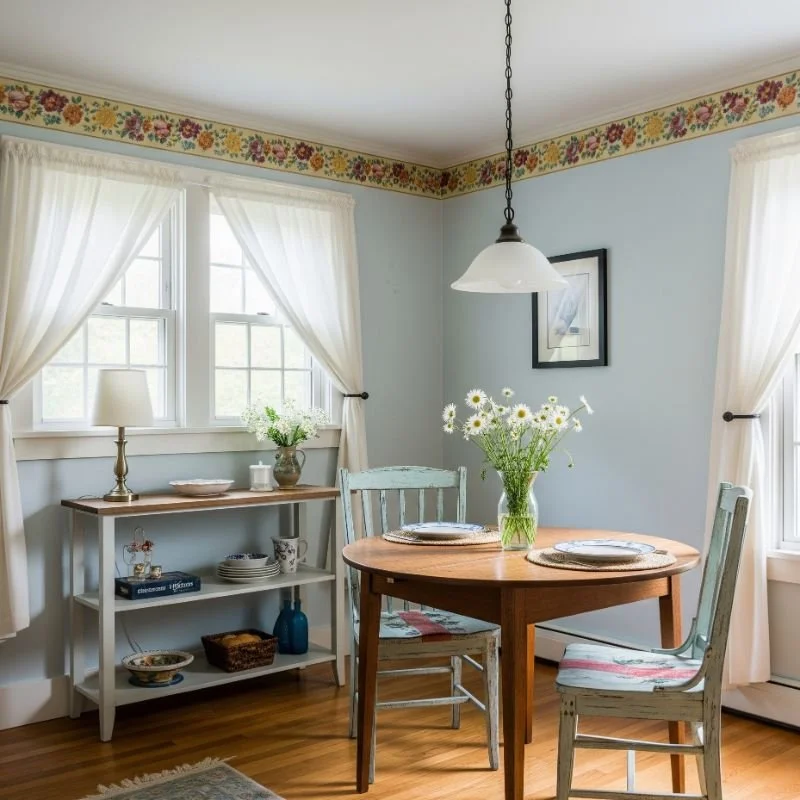
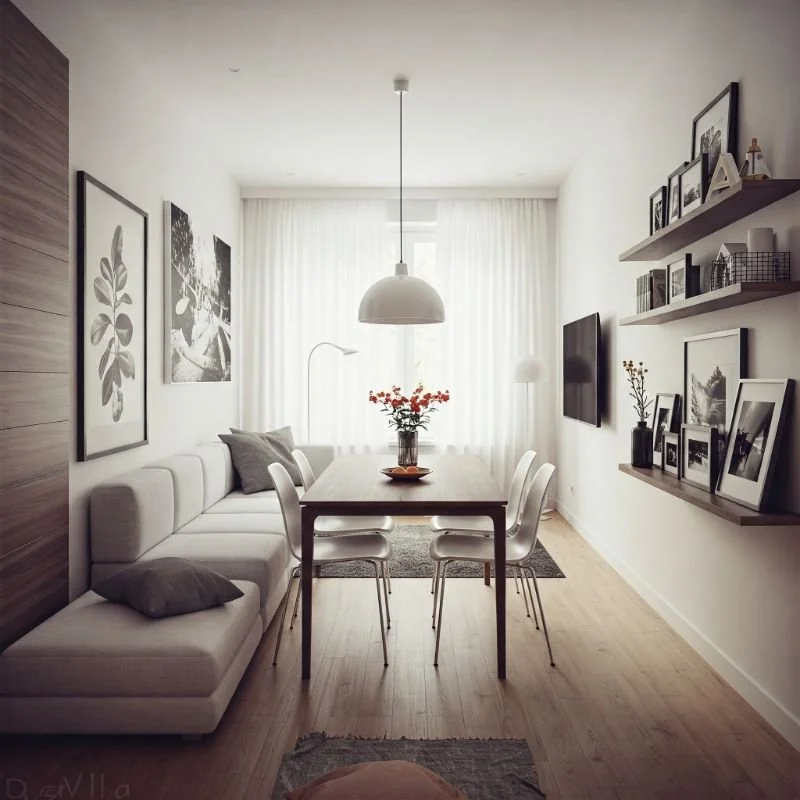
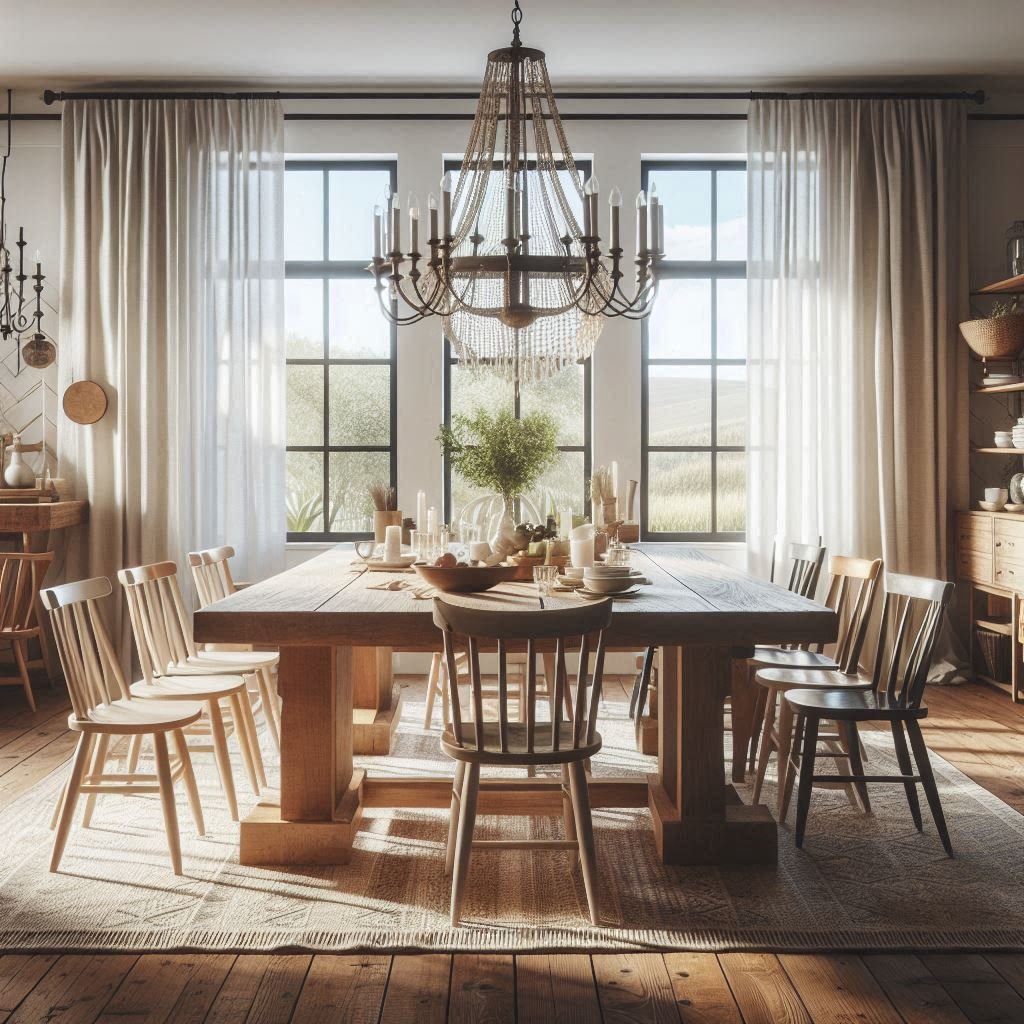
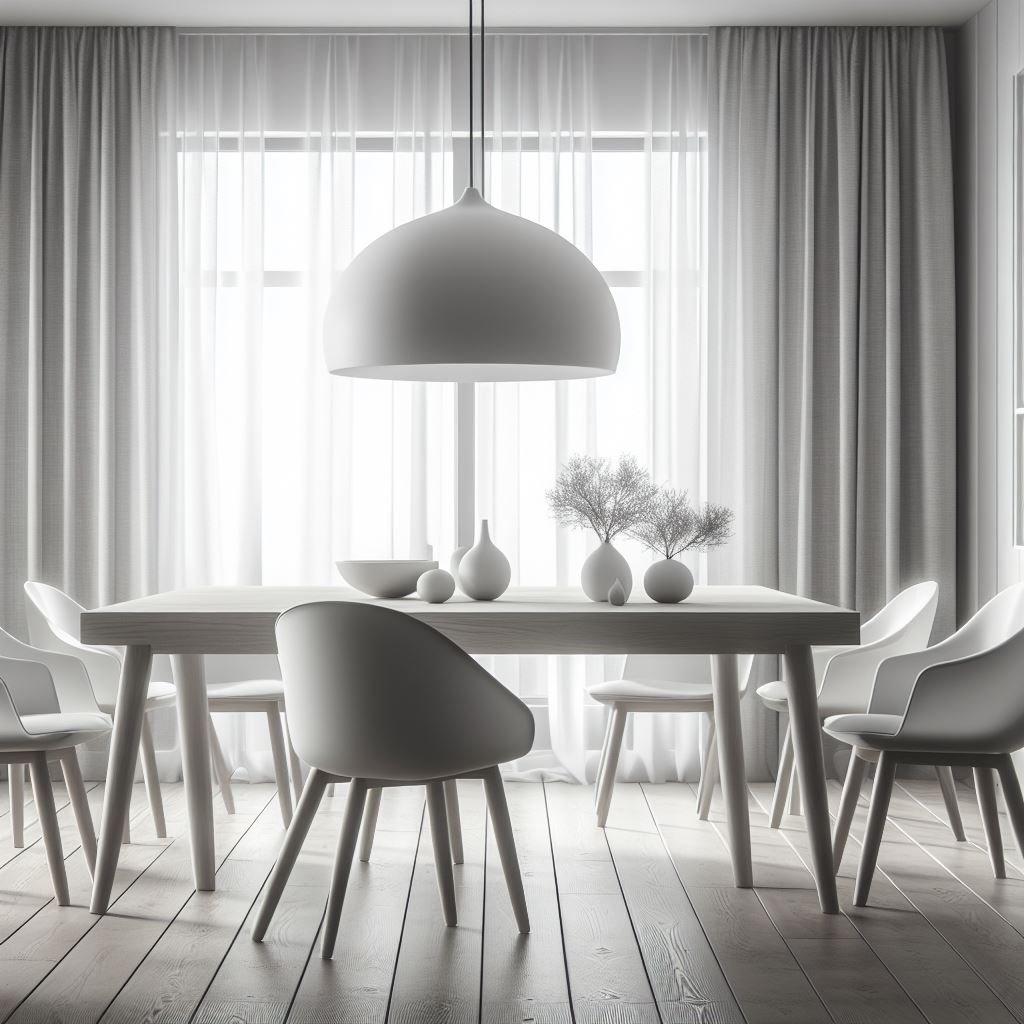
Natural light should also be maximized when possible. You might look for sheer curtains to allow sunlight in without a strong glare.
Include Meaningful Decor and Accessories
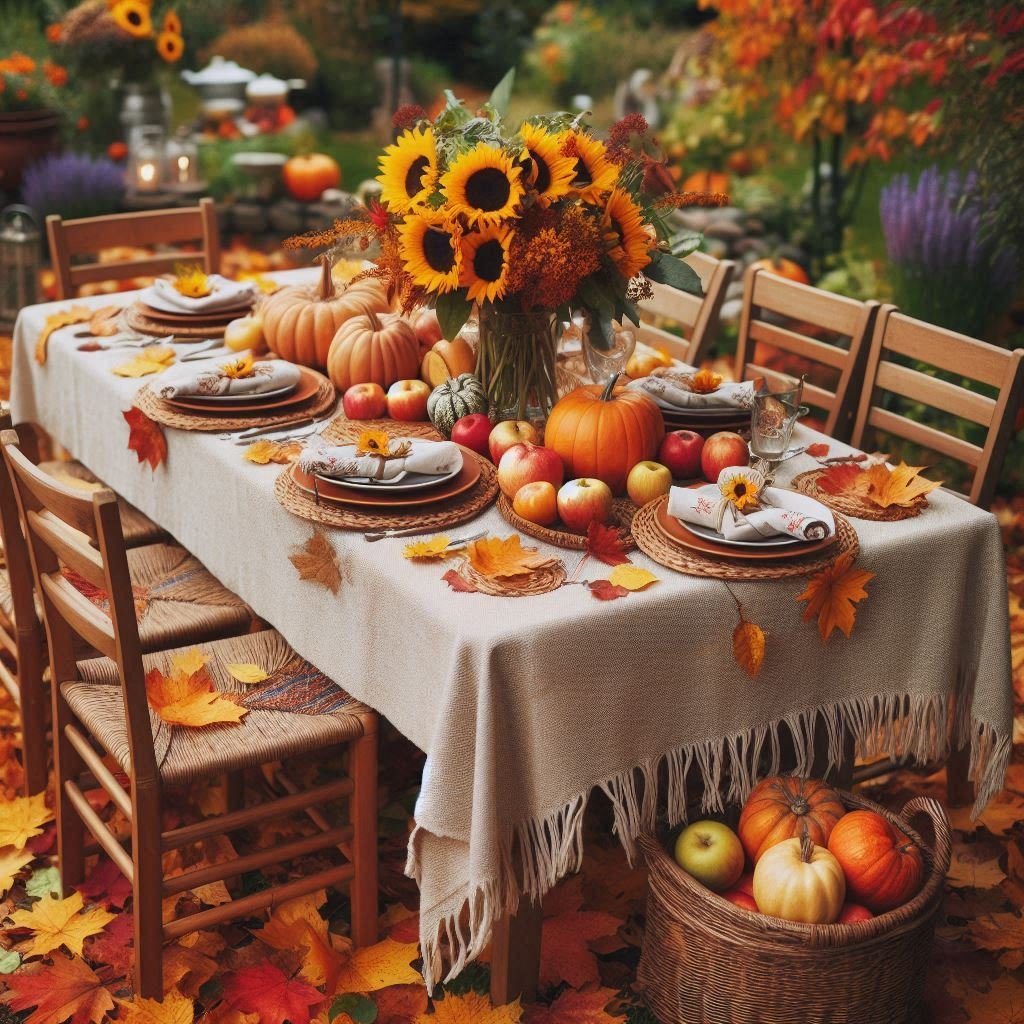
Decor items make a dining room feel personalized and special. Centerpieces often bring some more character to the table. You might rotate a vase of fresh flowers, a collection of candles, and a decorative bowl.
Displaying heirlooms or significant pieces adds personal history to the room. For example, placing a silver Kiddush cup on a sideboard can offer a nod to tradition and make family members feel more at home.
Ideally, any rugs, artwork, and wall decor will complement the overall color palette and style of the room.
Create a Sense of Balance with Color and Texture
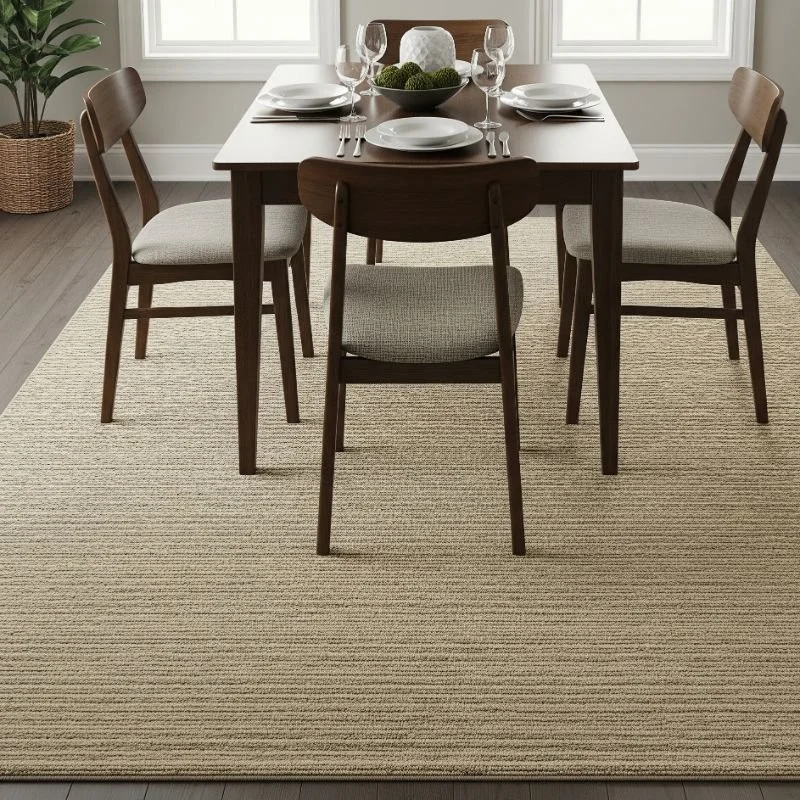
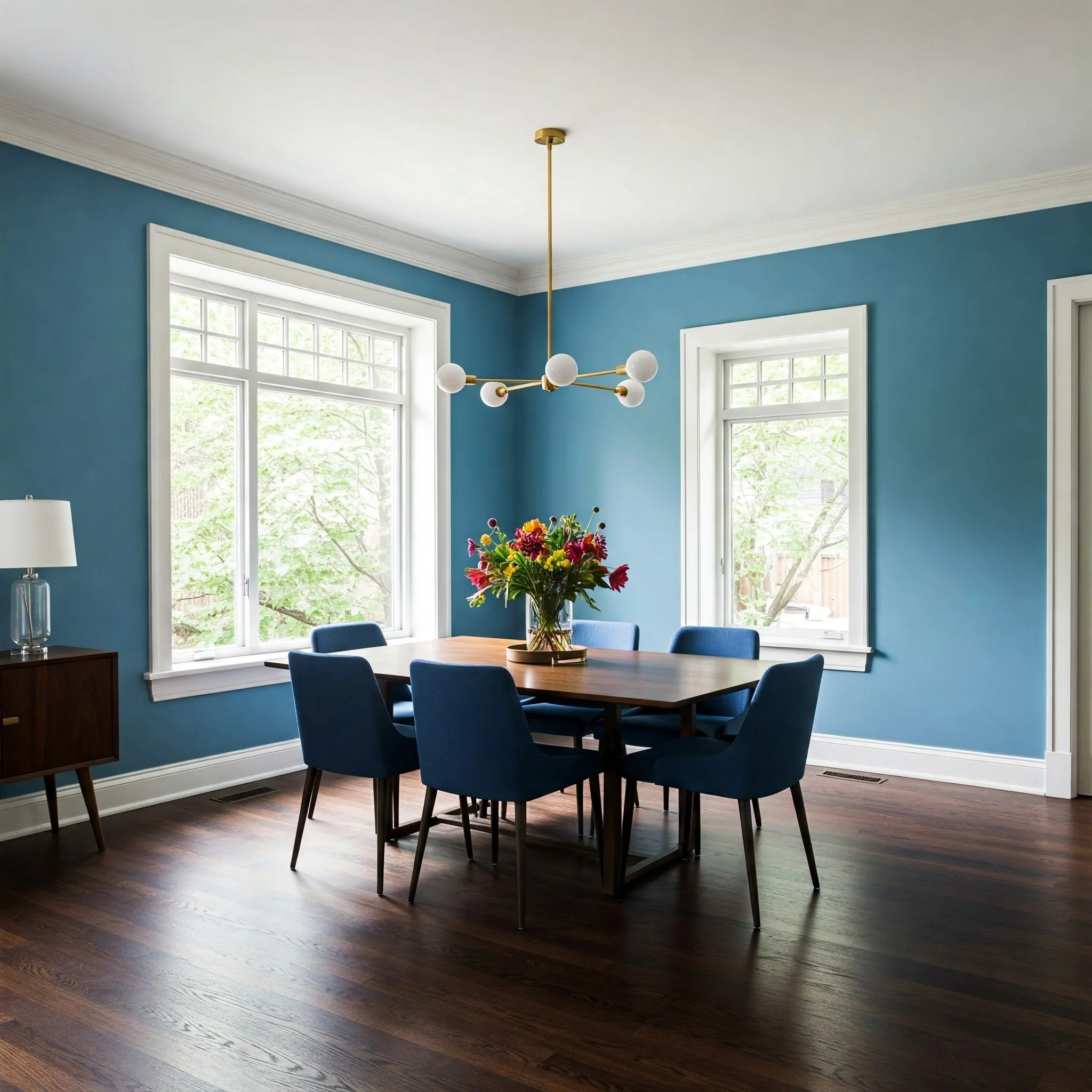
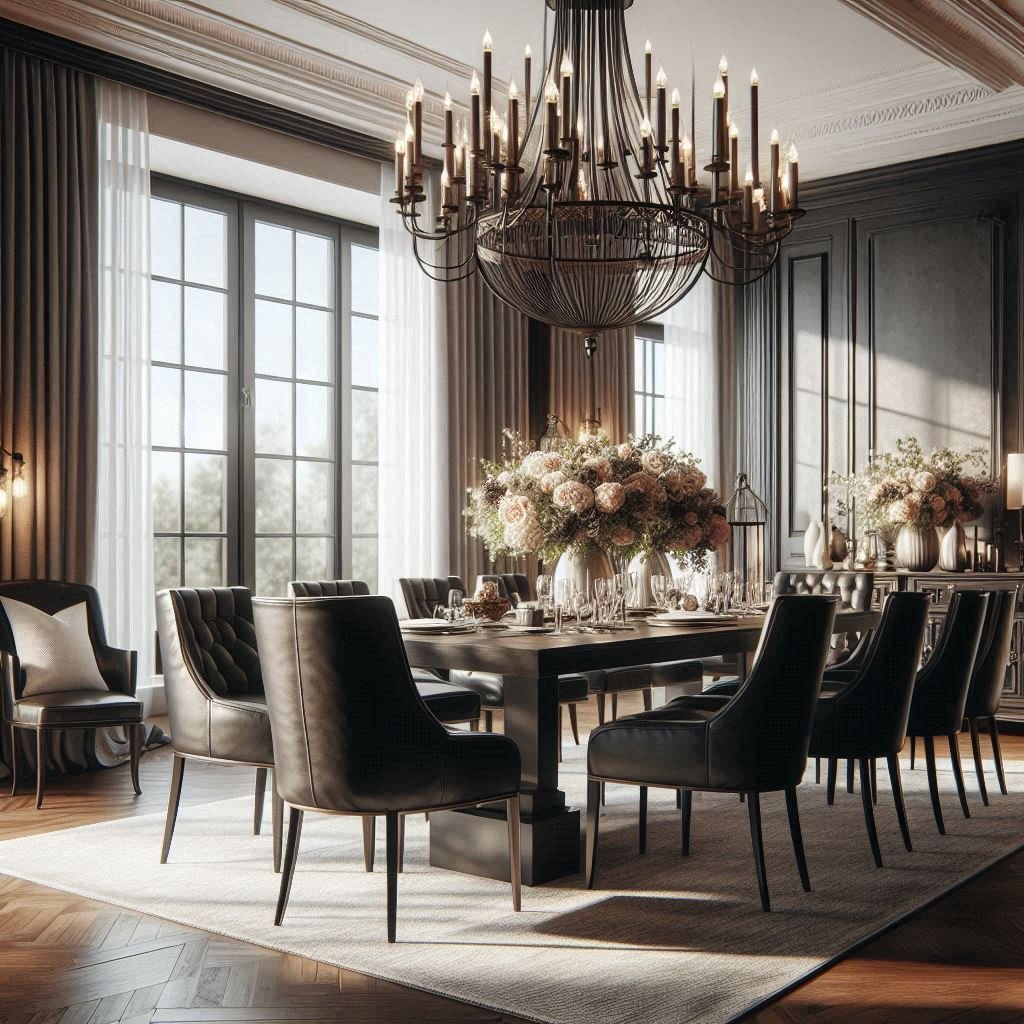
Before making any drastic changes, consider color and texture. Soft, muted colors can make a dining room feel calm and inviting. Richer shades might suggest formality. Textures in textiles (e.g. woven rugs, linen napkins, velvet chairs) can make a room feel more layered and characterful.
Try mixing wood, metal, and glass to give the room more interest. Be careful not to overwhelm it – just a few small pieces can do the trick. If you enjoy decorating, finding a natural visual harmony with these different textures might be the most rewarding part of redesigning the room.
Don’t Forget Function
Small functional details can make a big difference in how a dining room feels and works. You might prefer to match dishware and glassware to help meals feel organized. Think about whether you’d like to prioritize minimalism or use items like placemats and cloth napkins. (If you prefer not to use placemats. A protective layer under the tablecloth can help prevent heat damage or burns from hot dishes.)
Incorporate Natural Elements for Warmth
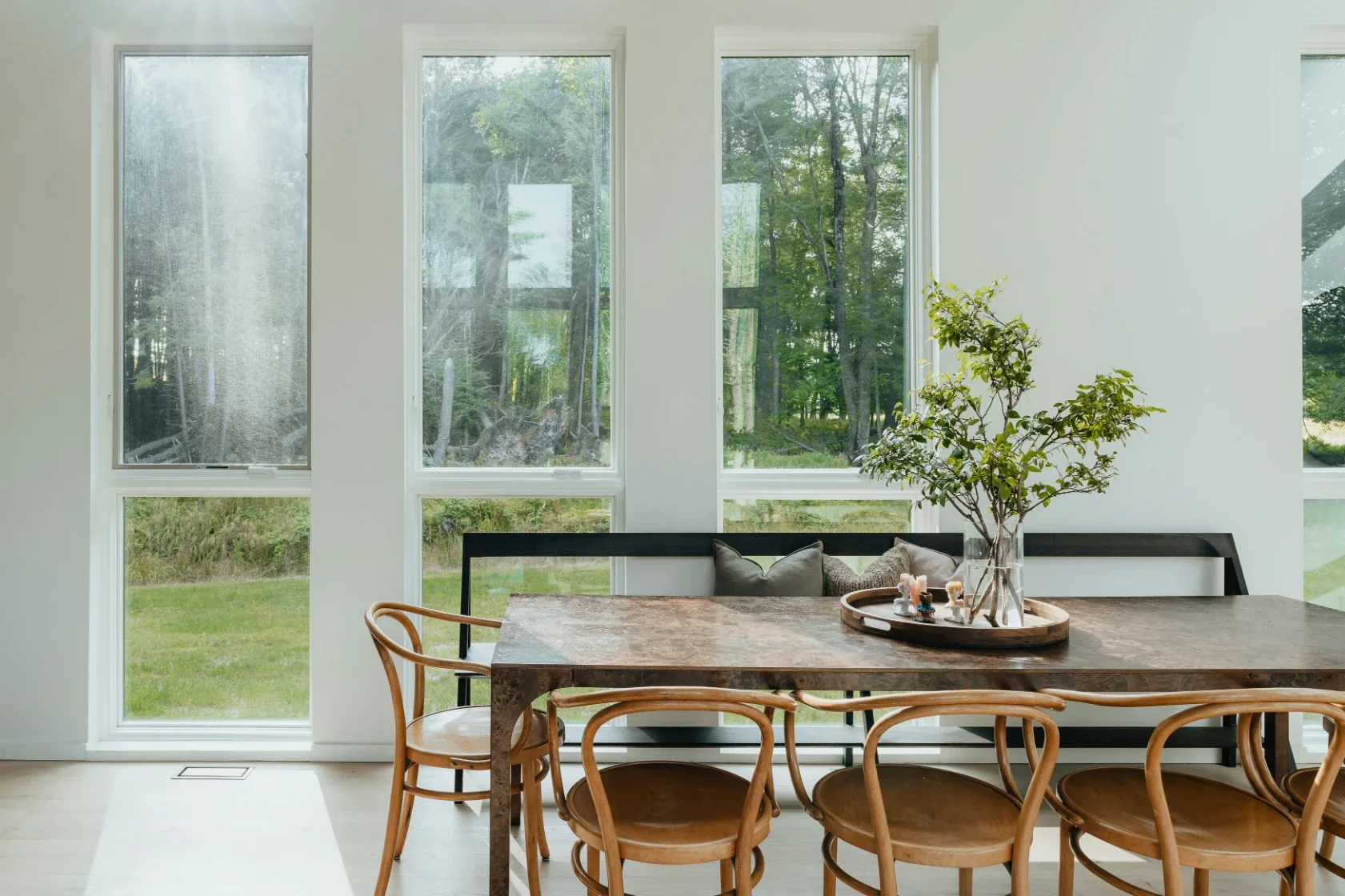
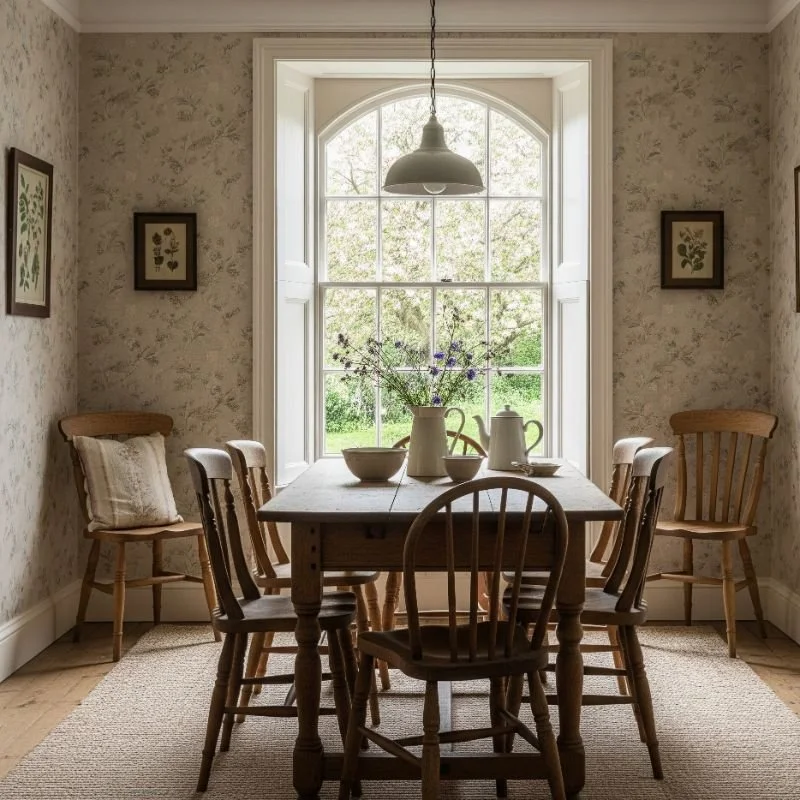
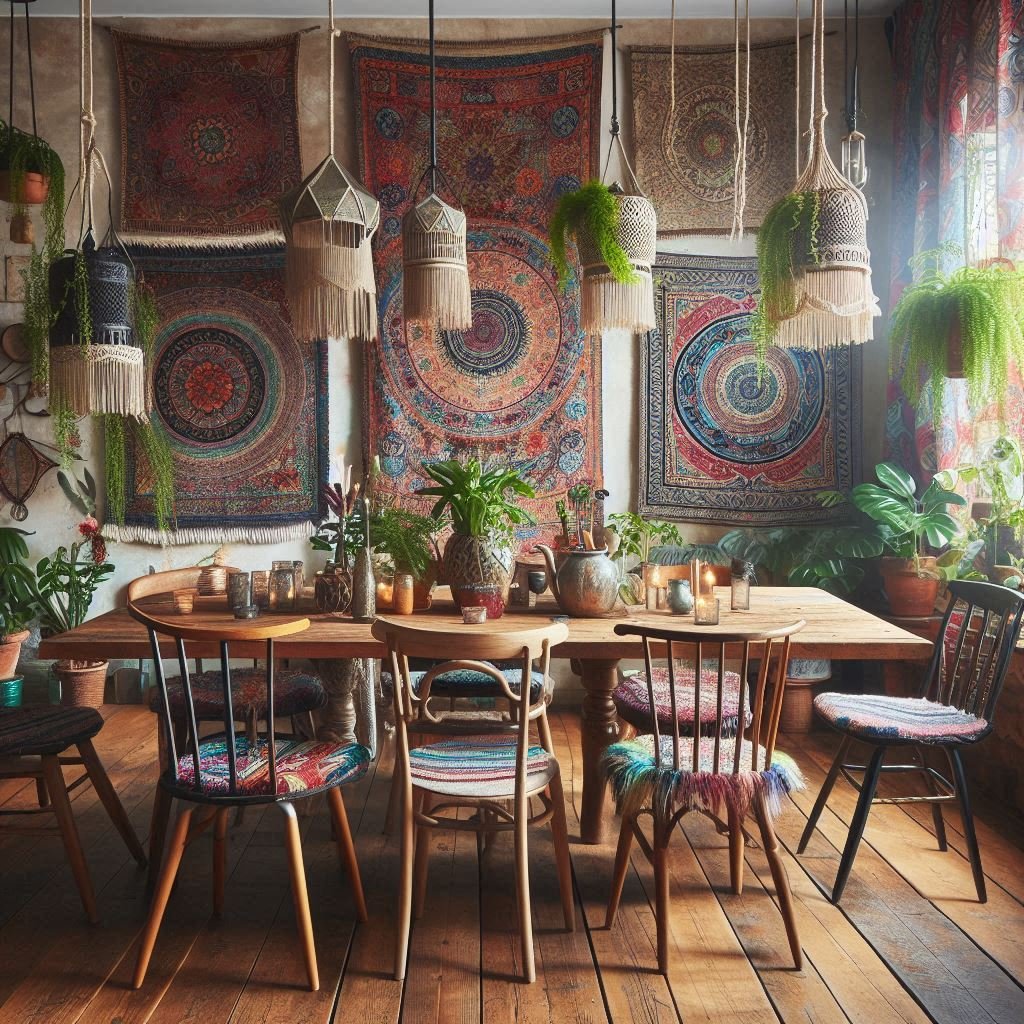
Plants and fresh flowers can make the room feel more inviting and relaxed. They add color and freshness and remind guests that this is a lived-in, loved place. You might try small potted trees or window box plants – both create visual interest and, if you choose some low-maintenance plants, won’t take up much time.
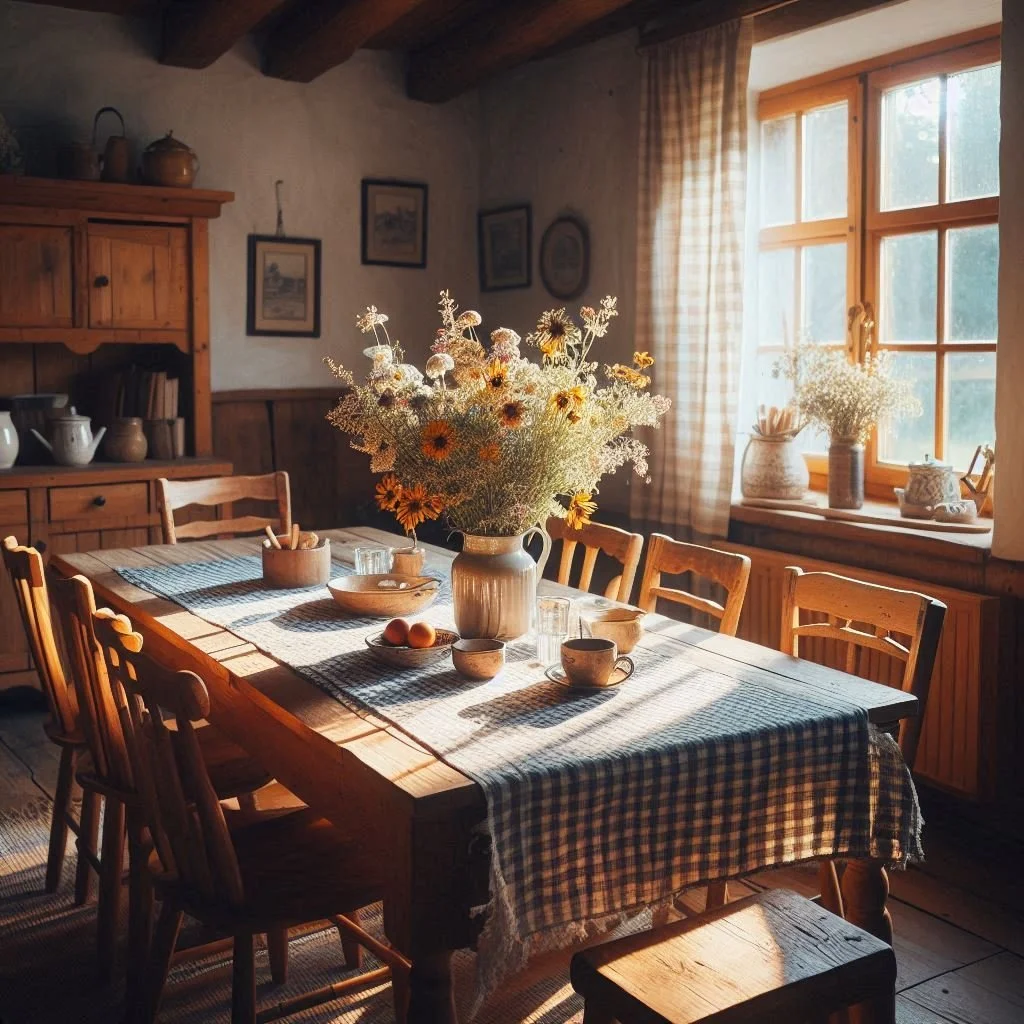
Wooden furniture or natural-fiber rugs introduce warmth and texture. Simple touches like a bowl of fruit on the table can help build a sense of life and movement.
Highlight personal style with art
Artwork and personal collections give a dining room character. Framed prints, photographs, and paintings can show your taste and spark conversation during meals. You might have small collections of ceramics, glassware, or decorative objects to be arranged on a sideboard or shelves.
Last word
These small choices in lighting, furniture, decor, and layout can turn a dining room into a space that feels both welcoming and intentionally designed. When the room balances comfort with style, practical needs with personal touches, the room becomes the perfect place for connection, conversation, and shared moments that you’ll remember.
Stay up to date with our latest ideas!